Baymax!
Disney Animation has two short-form television series lined up for release in 2022 on Disney+, and the first of the two series is Baymax!, which is comprised of six episodes set after the events of Big Hero 6 and follows Baymax around San Fransokyo as he helps various people. Baymax! notably is the first time Disney Animation has ever produced a television series completely in-house; because Baymax! was made in-house, it was made using the same tech and pipeline, by the same artists, and to the same standards that we make our feature-length films using. Big Hero 6 was the first project at Disney Animation ever rendered using Disney’s Hyperion Renderer (and to a large extent the first version of Hyperion was specifically developed for Big Hero 6), so getting to revisit the world of San Fransokyo in many ways represented a sort of homecoming for Hyperion. However, I joined the Hyperion development team shortly after the completion of Big Hero 6, so for me personally, getting to work a bit for the first time on a project tied to the show where Hyperion began was a very cool experience.
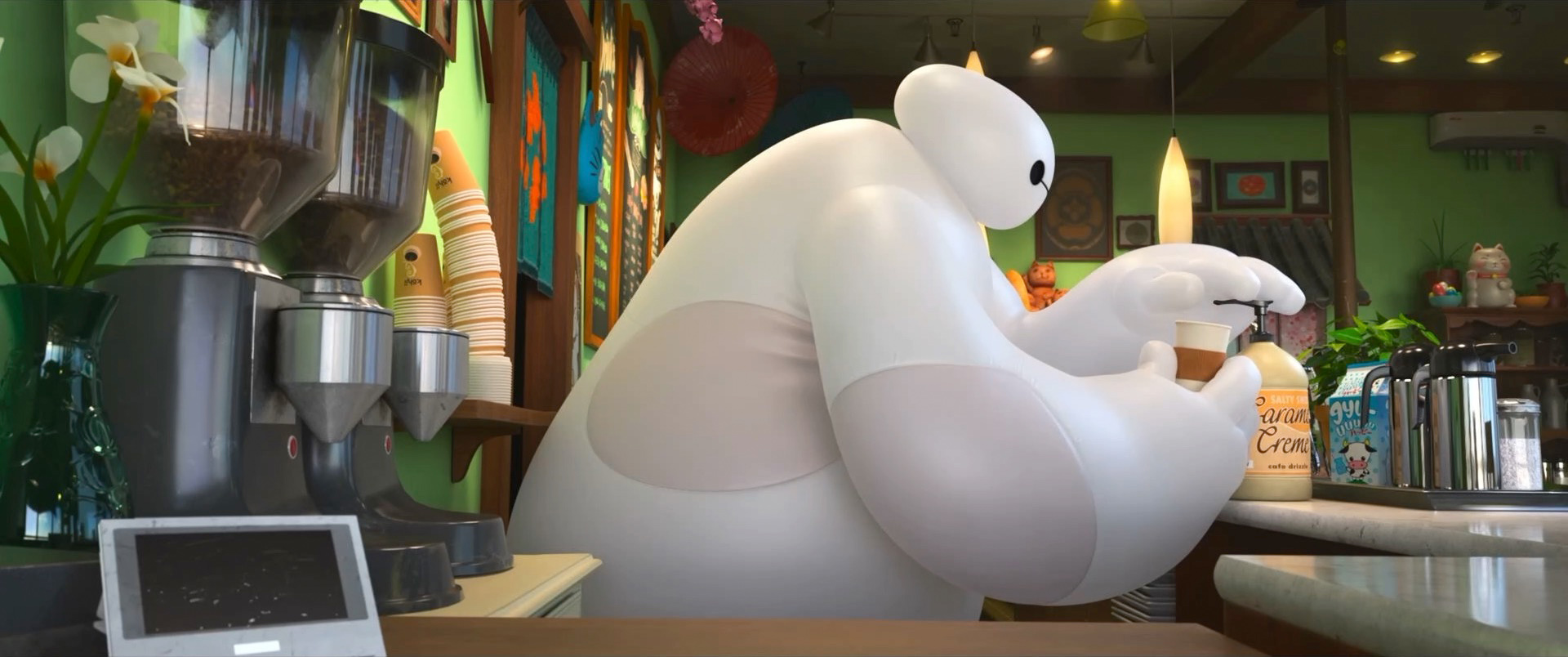
Baymax! was made using a slightly evolved version of the same pipeline and toolset that was used for Raya and the Last Dragon. Since production overlapped with Encanto, some improvements developed for Encanto made their way over to Baymax! as well, which in the case of Hyperion mostly meant bugfixes and improvements to our state-of-the-art in-house machine-learning denoiser [Vogels et al. 2018]. From a computer graphics technology perspective, there is not really much new to tell about the work that went into Baymax!, but I think this in itself is actually an interesting thing to discuss. Production on Baymax! went very smoothly and required very little dedicated renderer development work, which I think is a testament to both how mature Hyperion has become since Big Hero 6 and how proficient our artists have become at using Hyperion. Of course, another factor to consider is that Baymax! has more or less exactly the same challenges that Big Hero 6 had, and all of those problems were solved already (and arguably Hyperion was custom built specifically to solve many of those problems), so of course having a second go at exactly the same kinds of production challenges should be easier than it was the first time, especially when using more advanced, evolved versions of the original solutions.
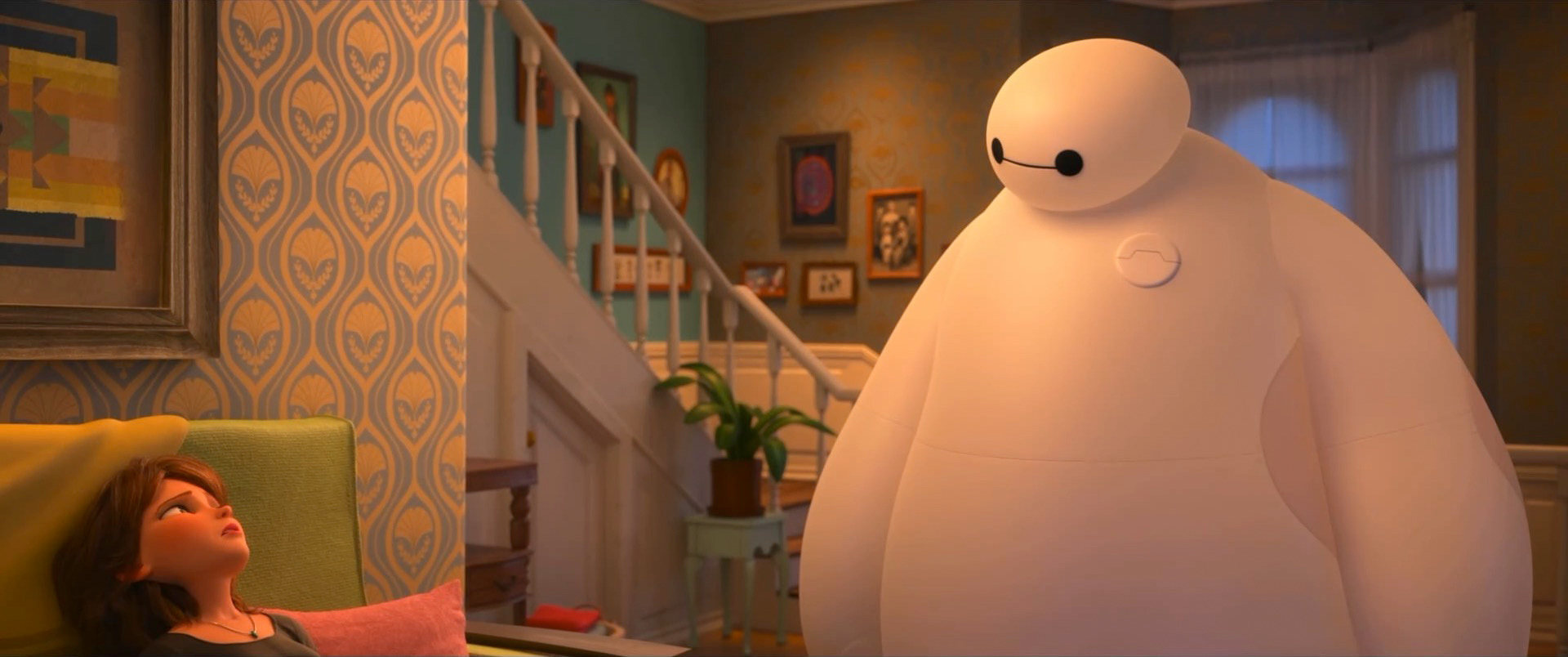
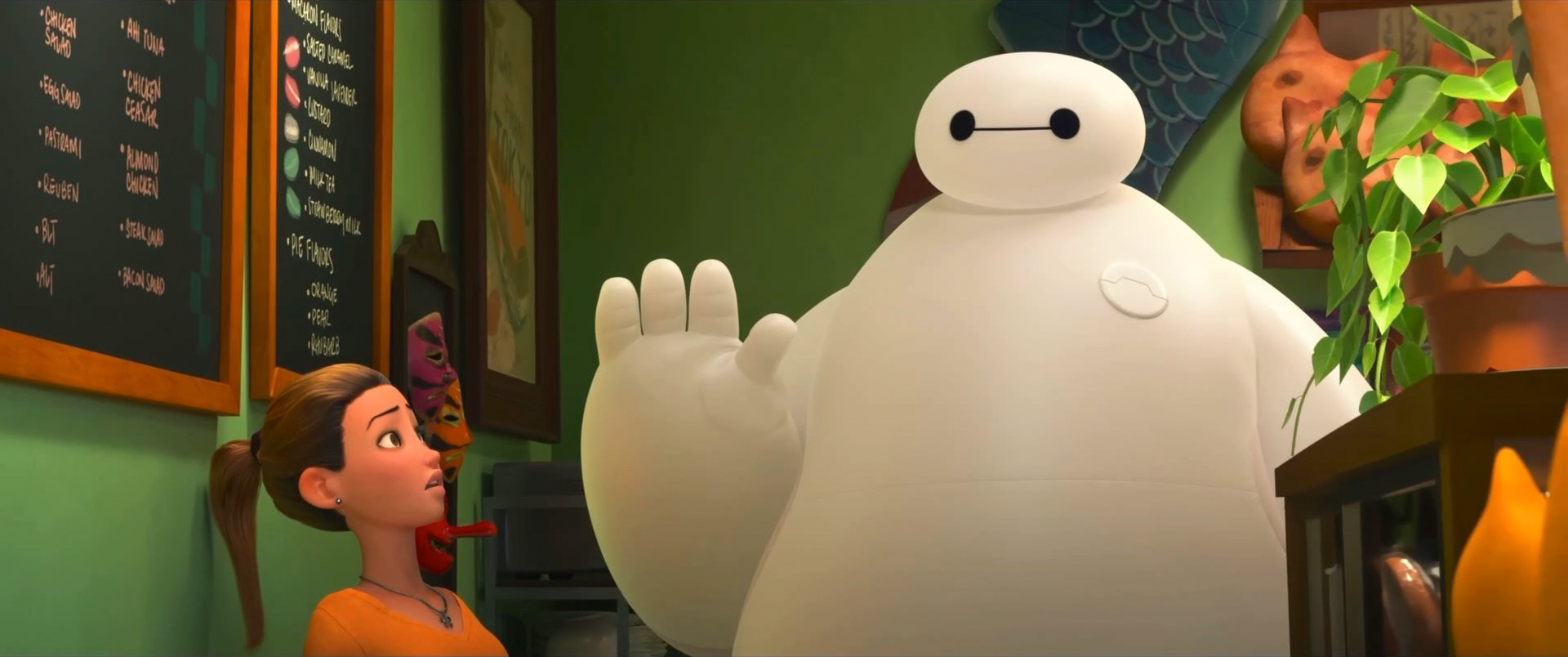
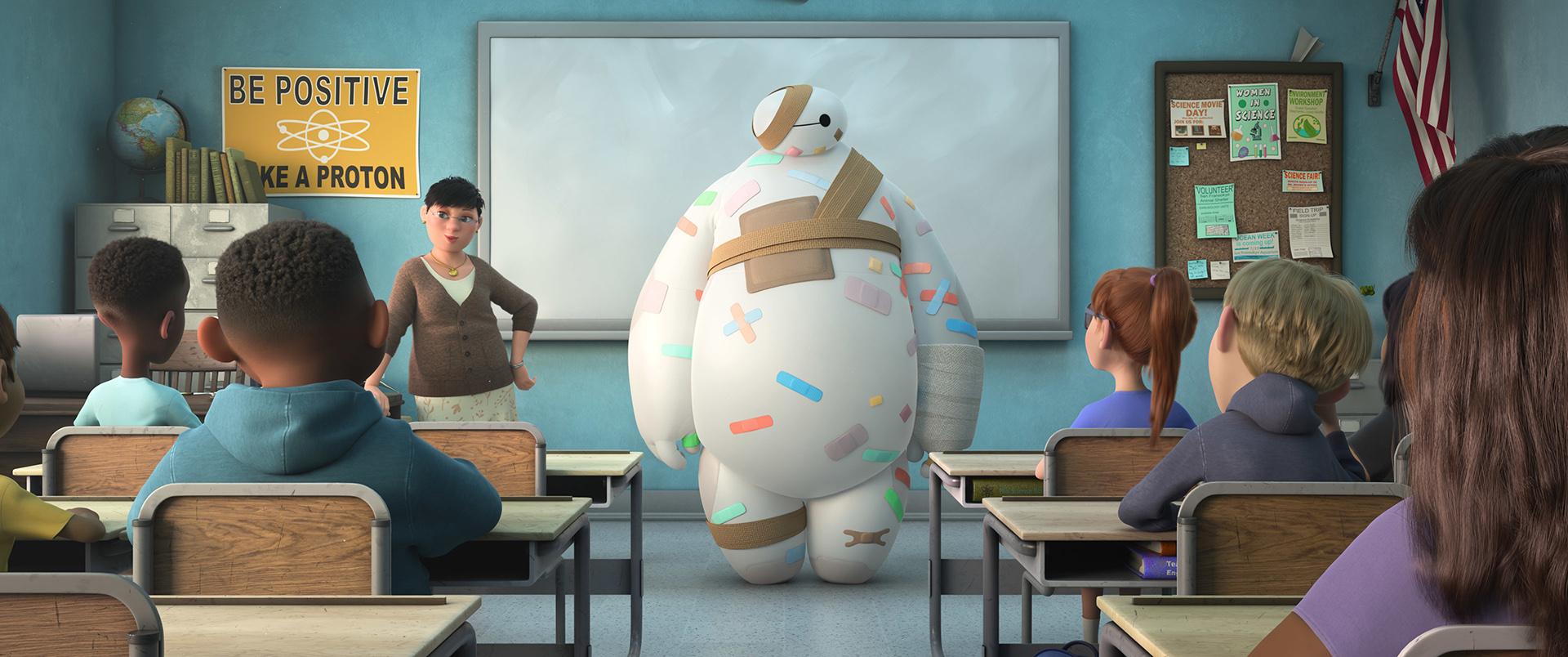
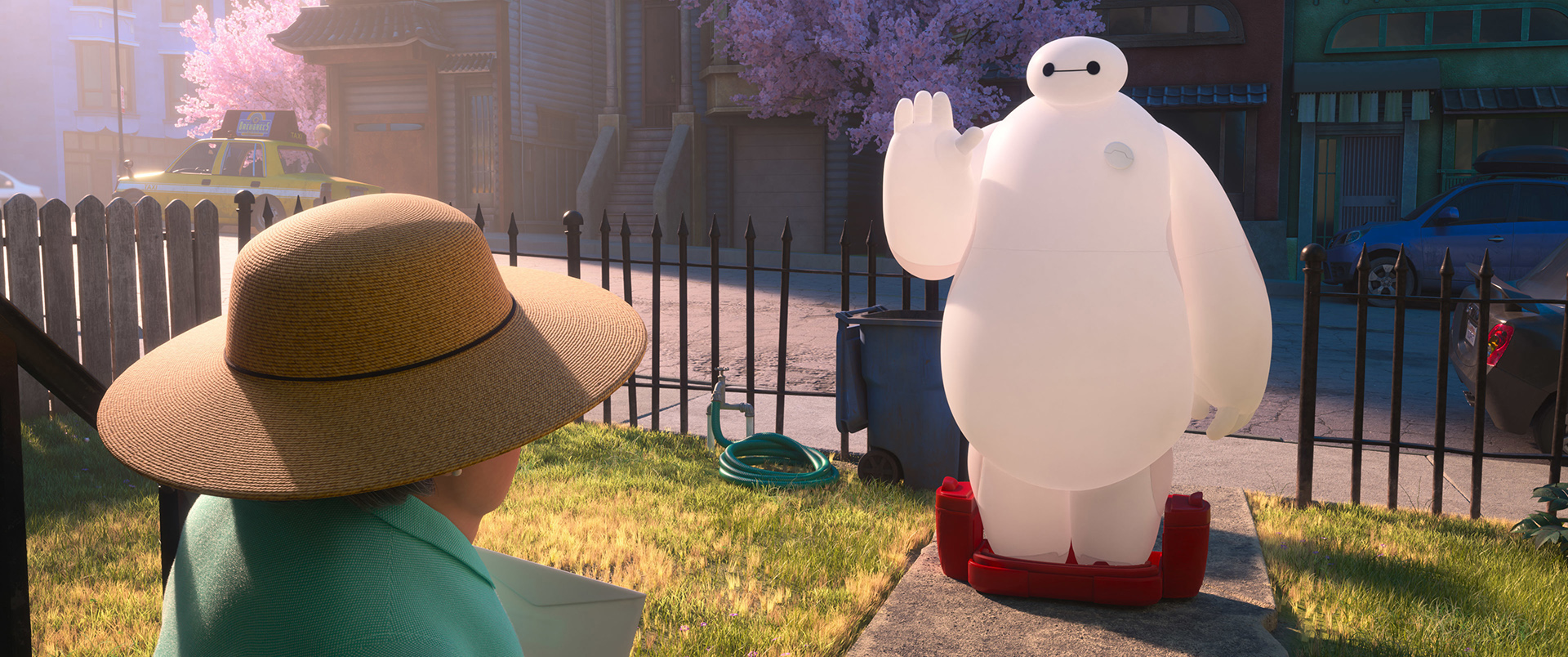
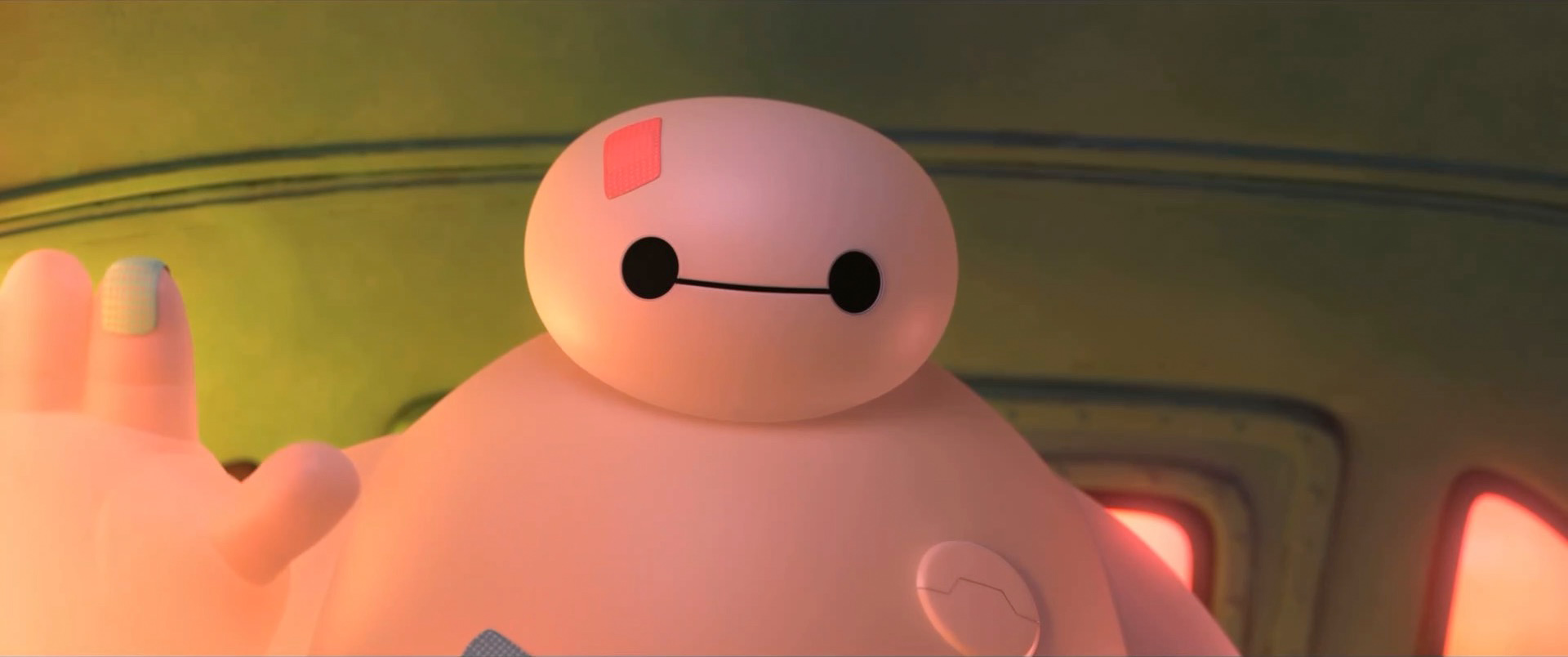
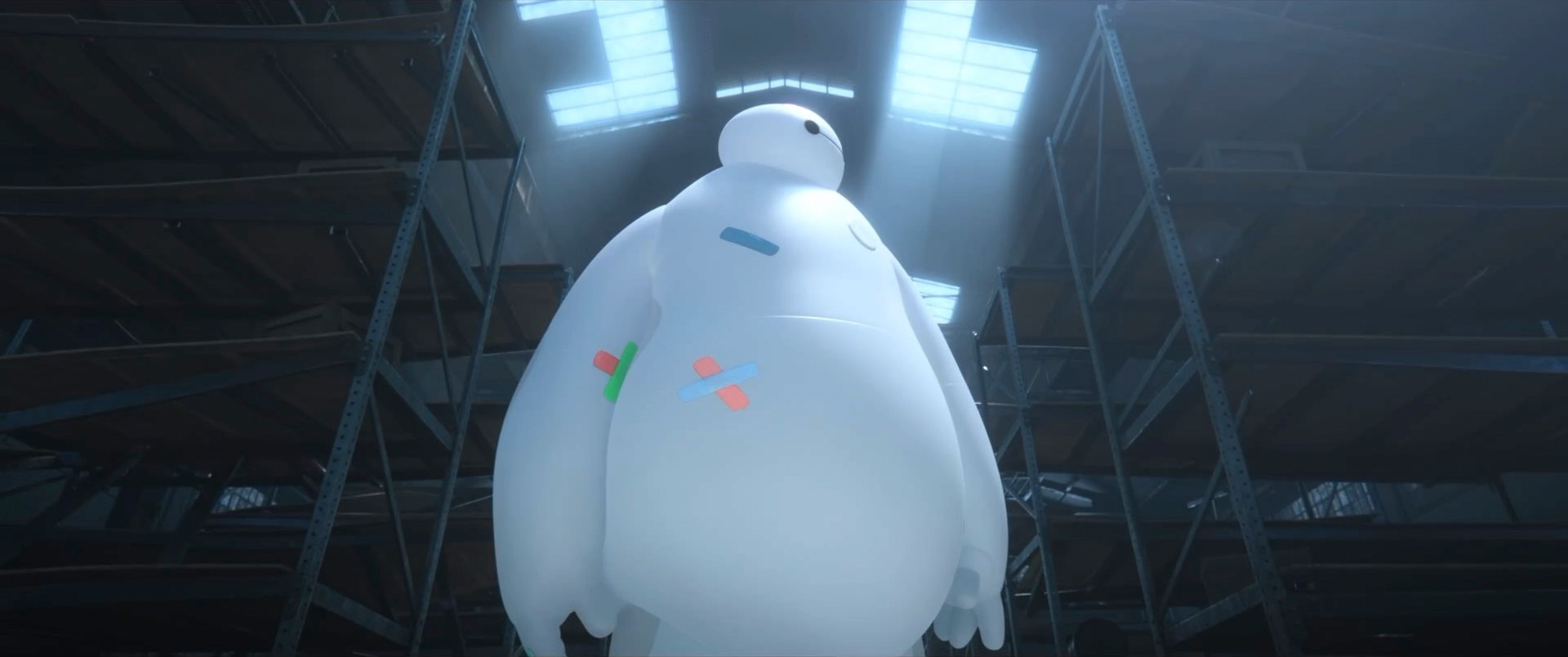
As an example, the Baymax character’s white translucent look comes from a ton of high-order scattering inside of his inflatable balloon shell, but the effect is different than what one gets from subsurface scattering. Instead of having some kind of solid medium inside, Baymax contains air inside, so the type of scattering occurring inside of Baymax is more akin to something like total internal reflection with no energy loss between surface events, as opposed to subsurface scattering which has extinction due to volumetric effects. The net result is that Baymax requires a ton of surface bounces in path tracing; often many more than our usual maximum path length. On Big Hero 6 the solution to this problem was to allow artists to specify materials and objects that would be permitted to raise the maximum path length for paths that interact with them [Driskill et al. 2015]. On Baymax!, all we had to do was to remember to set this setting for Baymax, and of course everything just worked because this problem had already been solved before.
Previously we’ve ported characters and assets from older shows forward to whatever the latest modern pipeline is many times, but Baymax! was a case where we had to port characters that originated from a previous Hyperion-based show forward. I’ve written before about how porting pre-Hyperion characters and assets to Hyperion is made a lot easier by a lot of our foundational shading technologies spanning between the pre-Hyperion and modern Hyperion pipeline versions, but porting from Big Hero 6 was made even easier by the fact that this was just porting between an older and newer version of the same renderer. Big Hero 6 was the first show to use our modern Disney BSDF [Burley et al. 2015], which expanded upon the older Disney BRDF [Burley et al. 2012] to add things such as refraction and subsurface scattering, so pretty much all solid surfaces ported over with essentially zero effort required. However, Big Hero 6 was also the last and only Hyperion-based show to use our older Tangled-era fur/hair shading model [Sadeghi et al. 2010], with all shows starting with Zootopia using our modern state-of-the-art (and now de-facto industry standard) fur/hair model [Chiang et al. 2016a], which meant that all characters with hair or fur had to have their look updated to use the modern fur/hair shading model. Similarly, for characters, shows starting with Frozen 2 moved off of normalized diffusion subsurface scattering [Christensen and Burley 2015] and onto path traced subsurface scattering [Chiang et al. 2016b], so this switch had to be made for Baymax! as well. On Frozen 2 we found that generally textures and settings meant for normalized diffusion translated to path traced subsurface scattering pretty well, although areas with thinner surfaces sometimes required some additional manual adjustment; the experience on Baymax! was similar. Additionally, additive features on top of the Disney BSDF, such as the softened shadow terminator handling we introduced on Frozen 2 [Chiang et al. 2019], just automatically made everything ported from Big Hero 6 look a bit nicer.
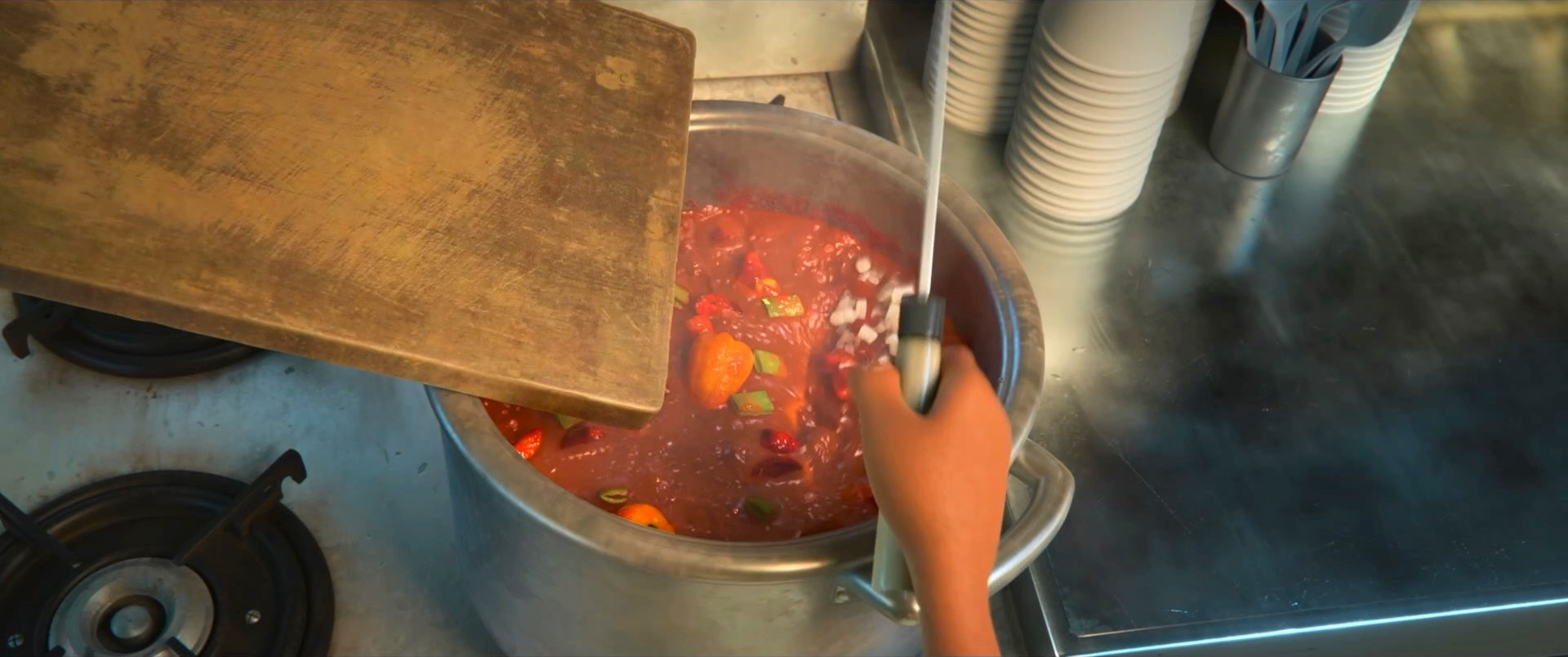
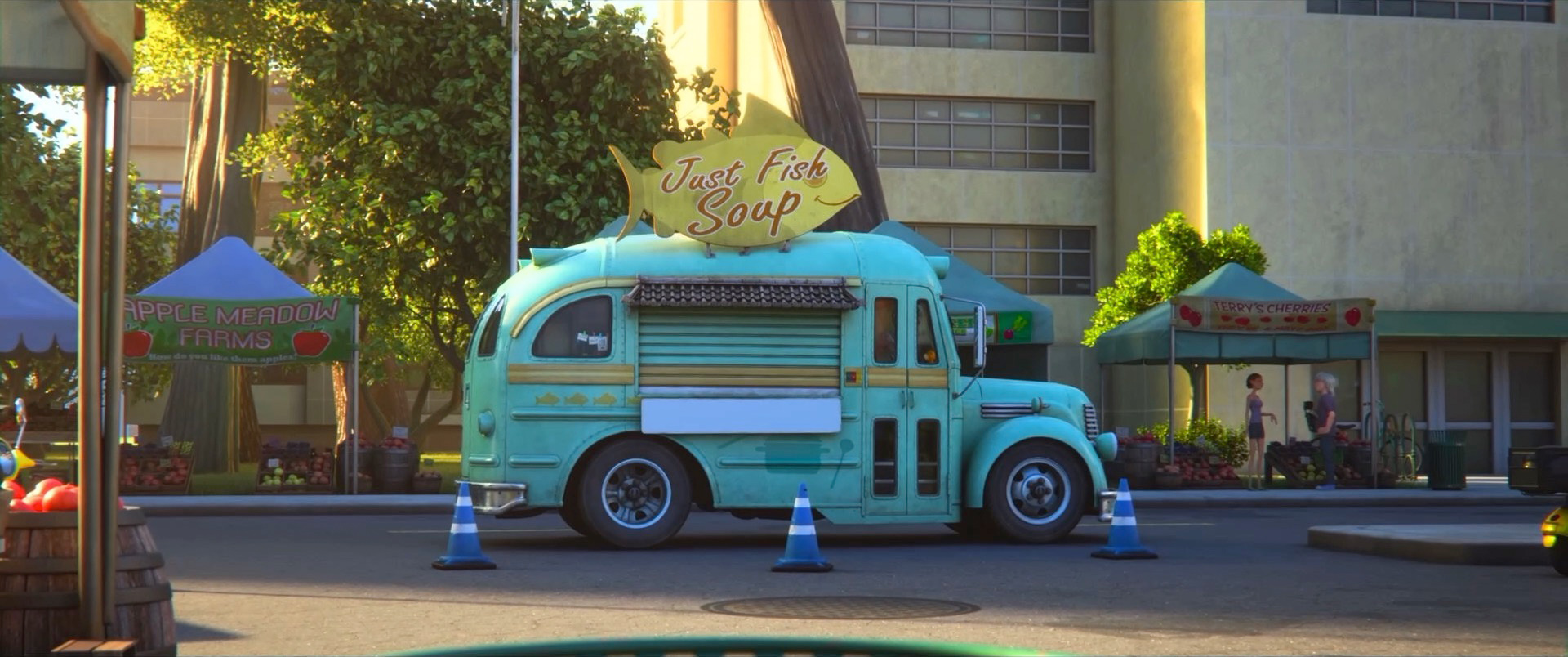
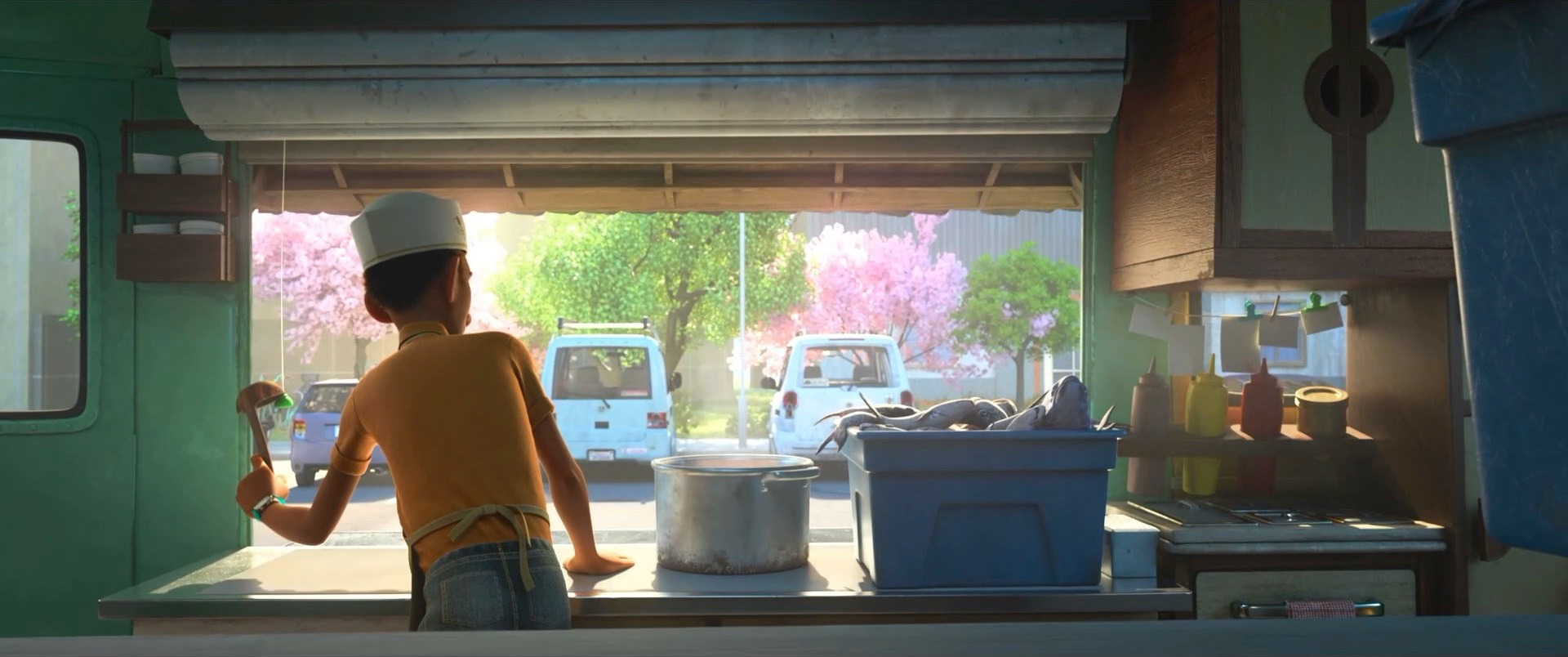
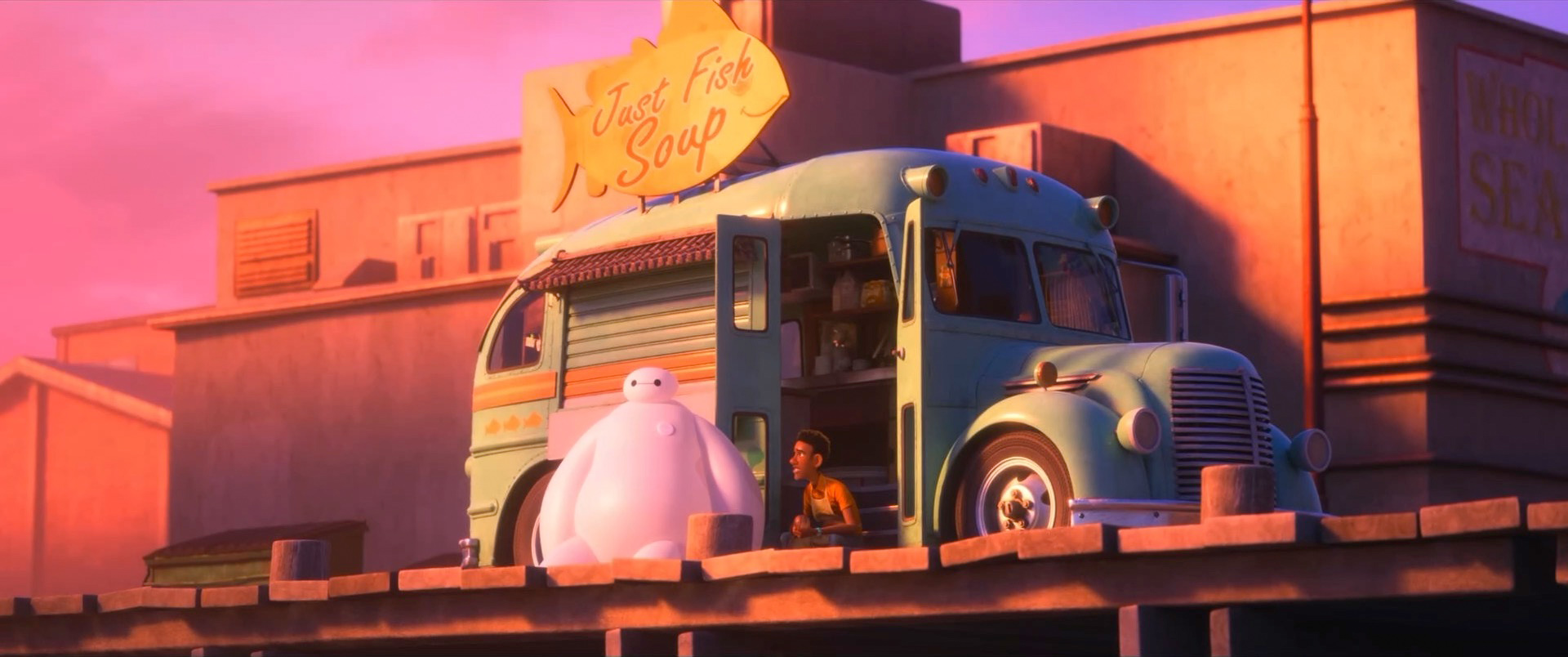
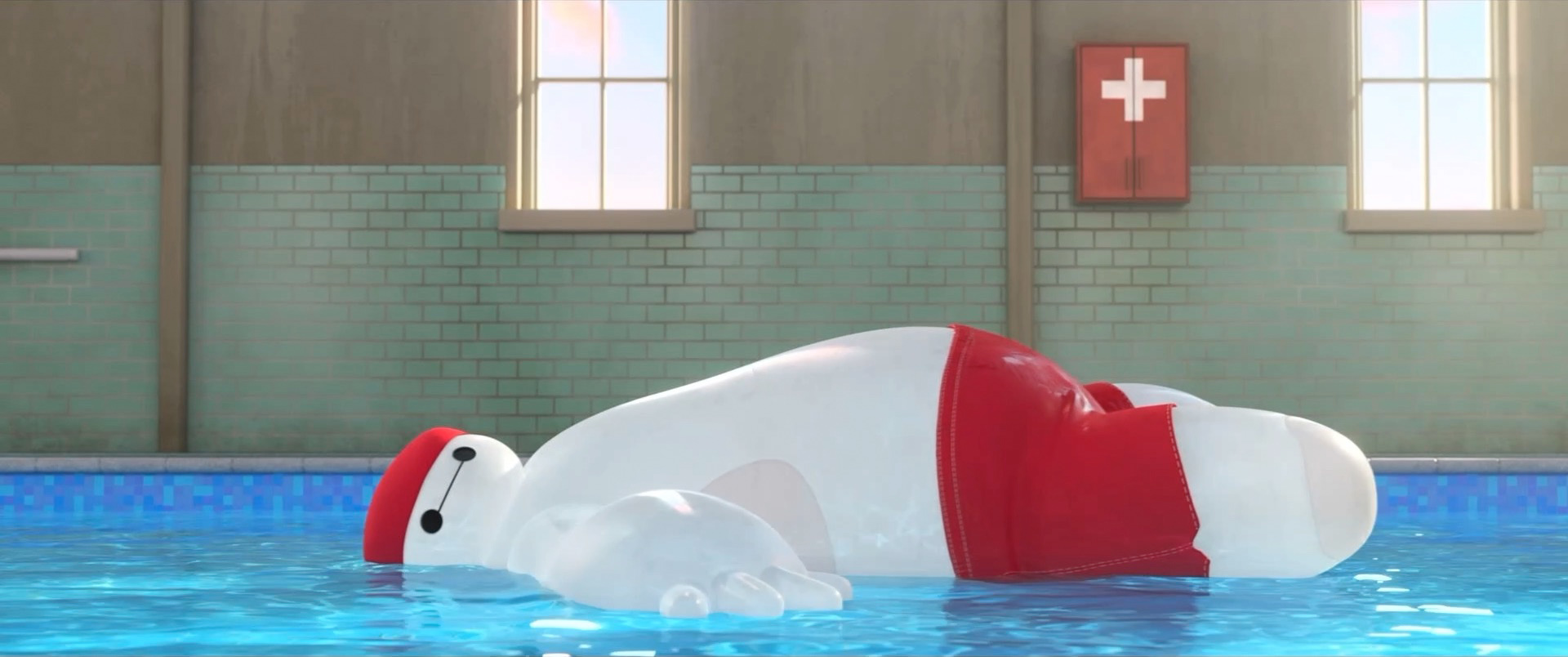
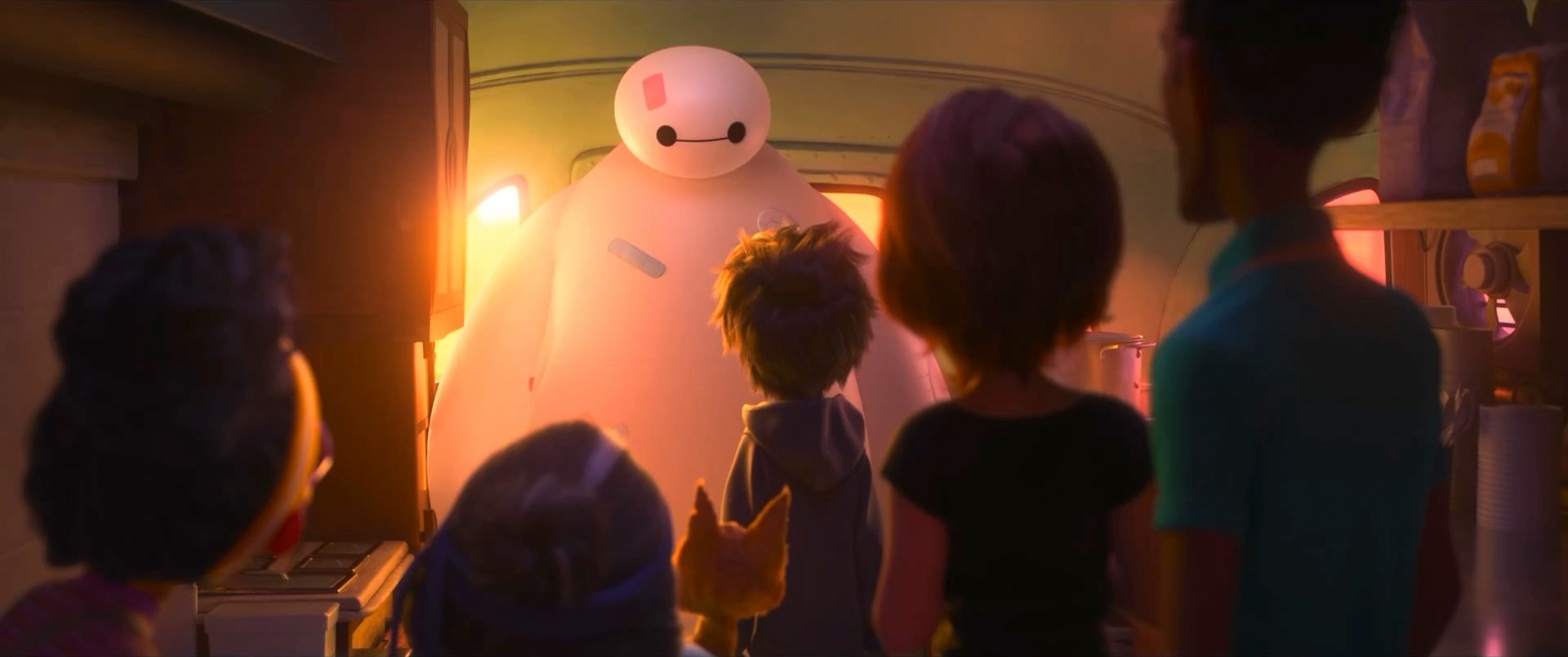
Aside from shading improvements, seeing how other technology and techniques developed in the years since Big Hero 6 fed back into improving the world of San Fransokyo on Baymax! was also very fun and cool. Here are three examples that I thought were really neat: First, for the swimming pool in the second episode of Baymax!, the photon mapping system originally developed for Moana [Burley et al. 2018] and expanded on Olaf’s Frozen Adventure proved useful for water effects once again, providing the caustics on the bottom of the pool. Second, in the fourth episode, a character runs a food truck that only serves fish soup, and to make shots of cooking the soup look really appealing and convincing, our effects artists borrowed from soup simulation and shading techniques originally developed for Raya and the Last Dragon. Third, the studio’s crowds and characters workflows and pipelines have improved by leaps and bounds since Big Hero 6, to the point where many of the new main characters in Baymax! are actually promoted versions of background crowd characters from Big Hero 6 [Hamed et al. 2015], chosen by the directors and upgraded by our artists to serve as new main characters that already fit into the show’s world.
At the end of the day though, I think one of the coolest technical things about Baymax! is simply that it looks every bit as good as the original Big Hero 6, if not even better in some places. Of course one would think that of course it would look as good as the original Big Hero 6 since it’s using improved versions of the same assets and an evolved version of the same pipeline and tooling and renderer, but the thing to note here is that Big Hero 6 was an enormous, high-risk, all-hands-on-deck heavy lift endeavour for the studio, whereas Baymax! is a television series made by a much smaller crew with much tighter resources. Why Baymax! is able to meet the same bar as Big Hero 6 is partially down to smart planning and decisions on the part of the directors and show supervisors, but another large part is due to how much the studio has improved and grown technically and artistically in the 8 years since Big Hero 6.
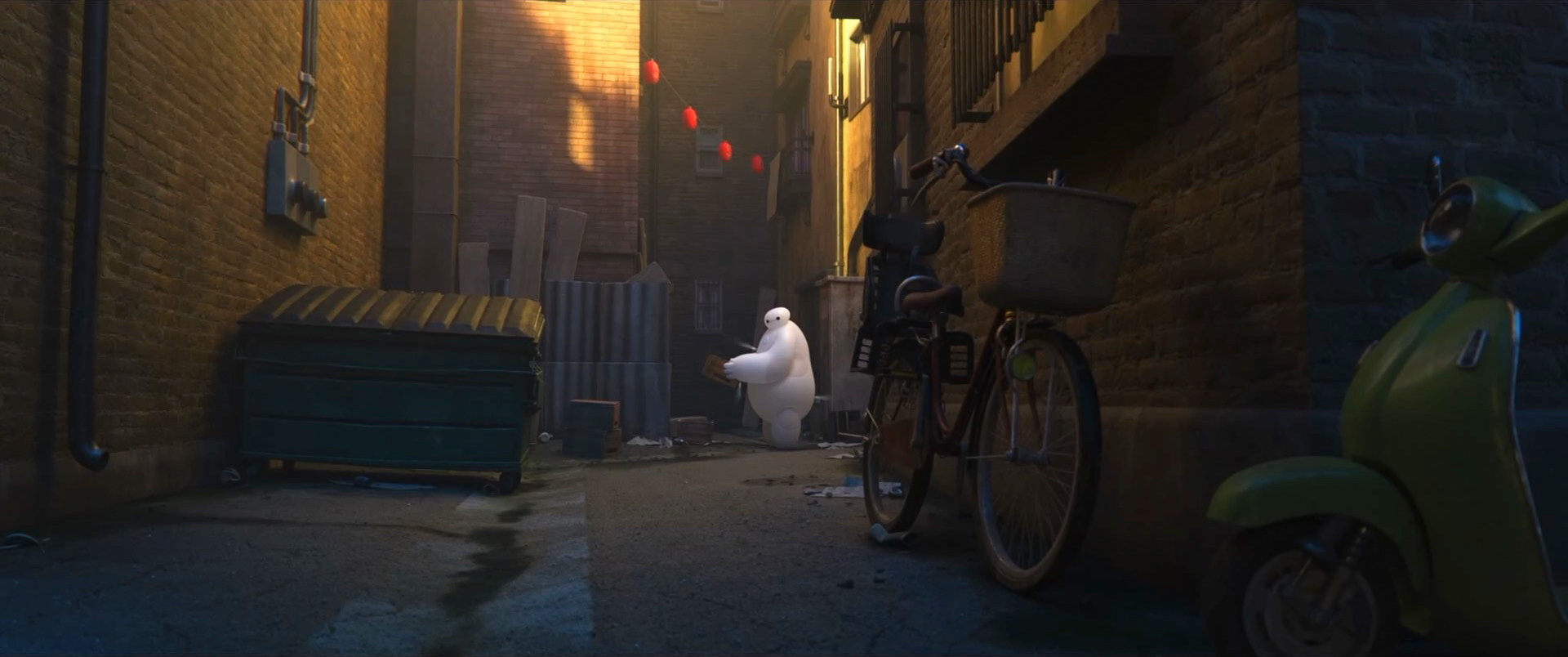
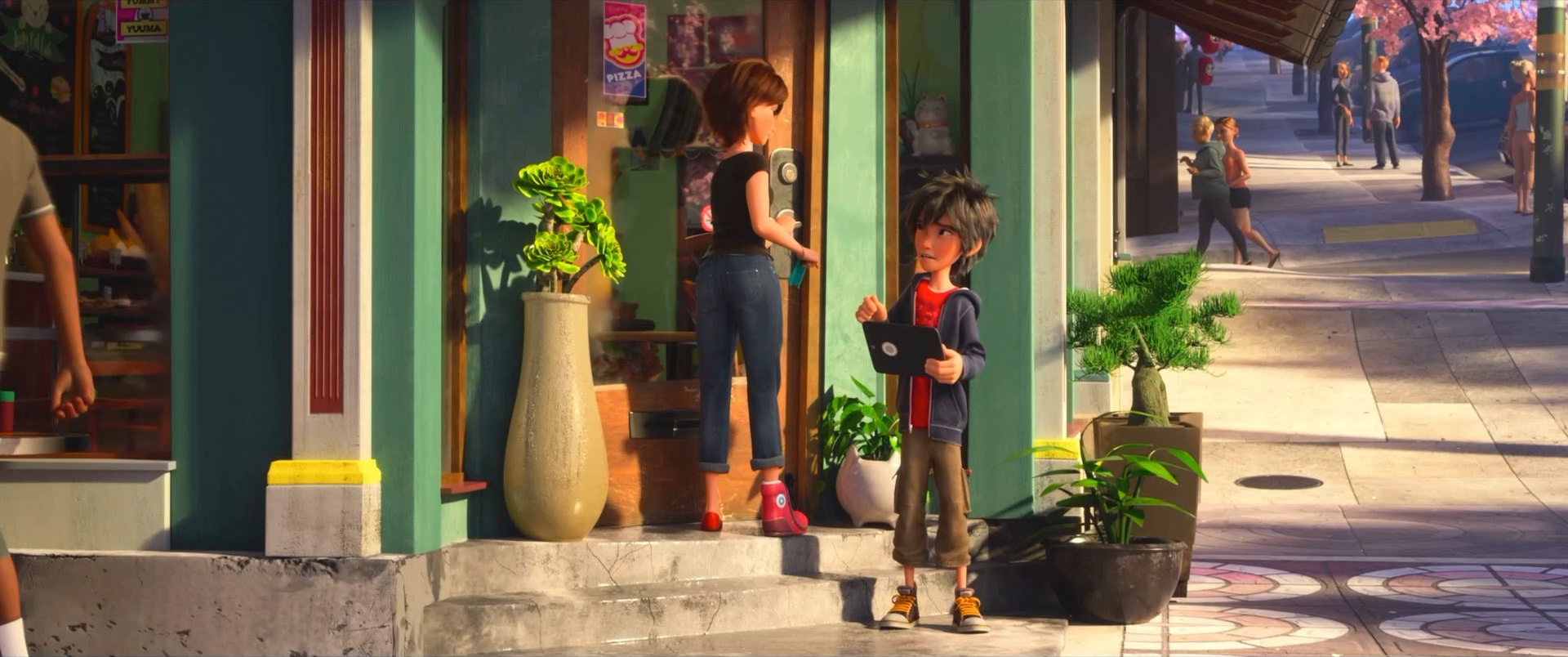
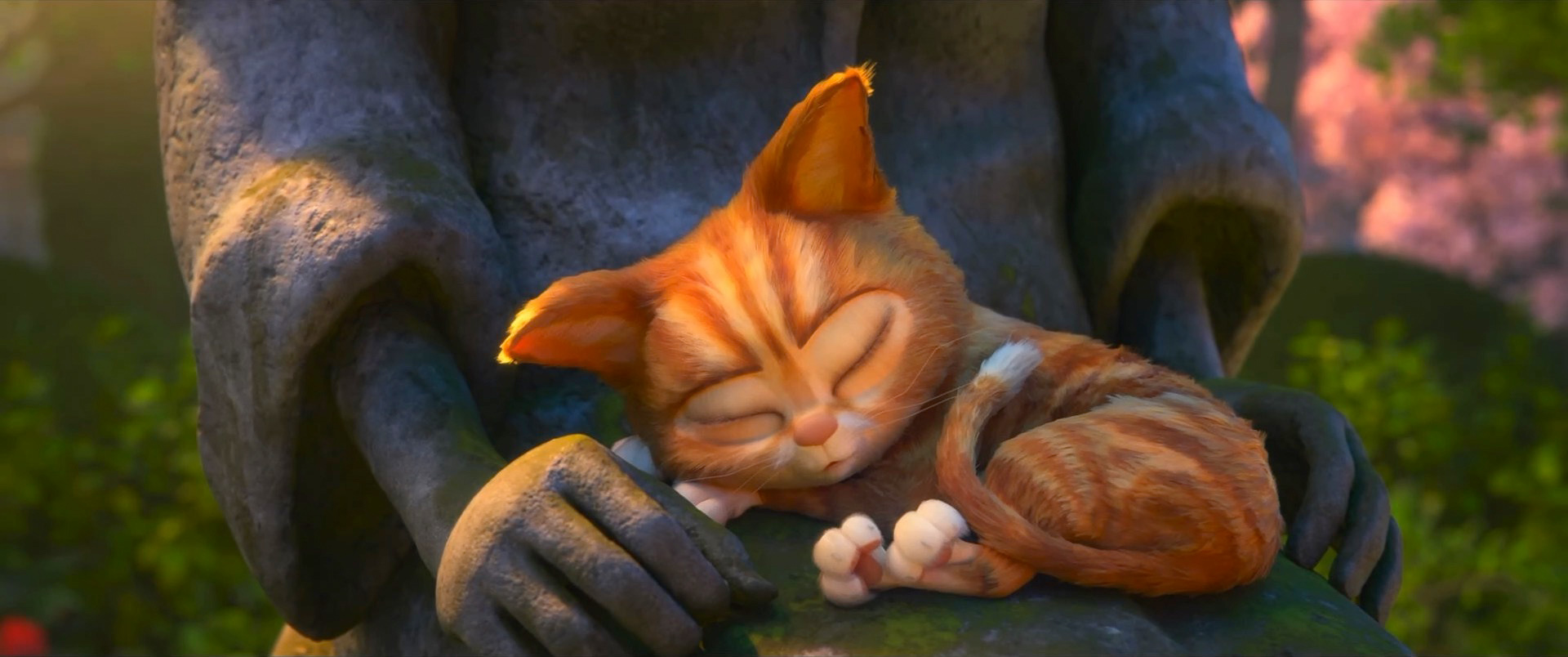
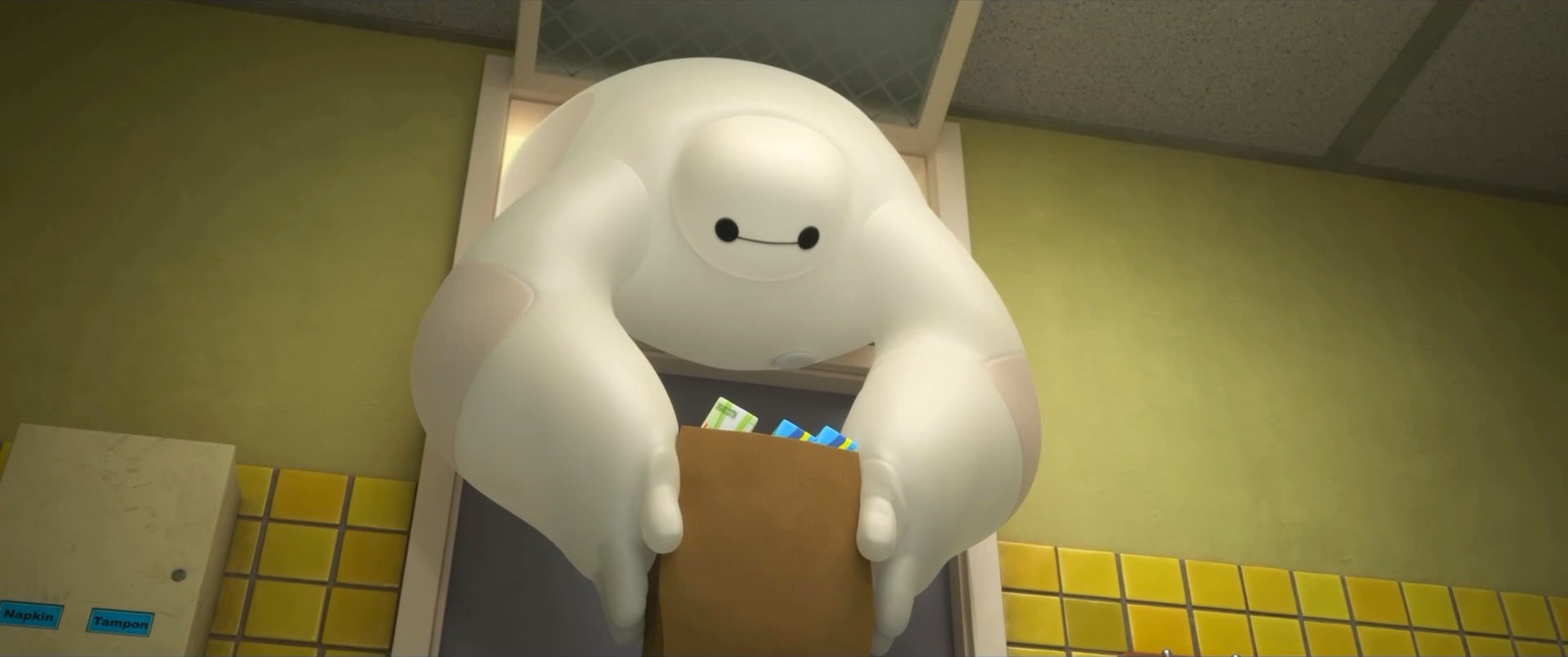
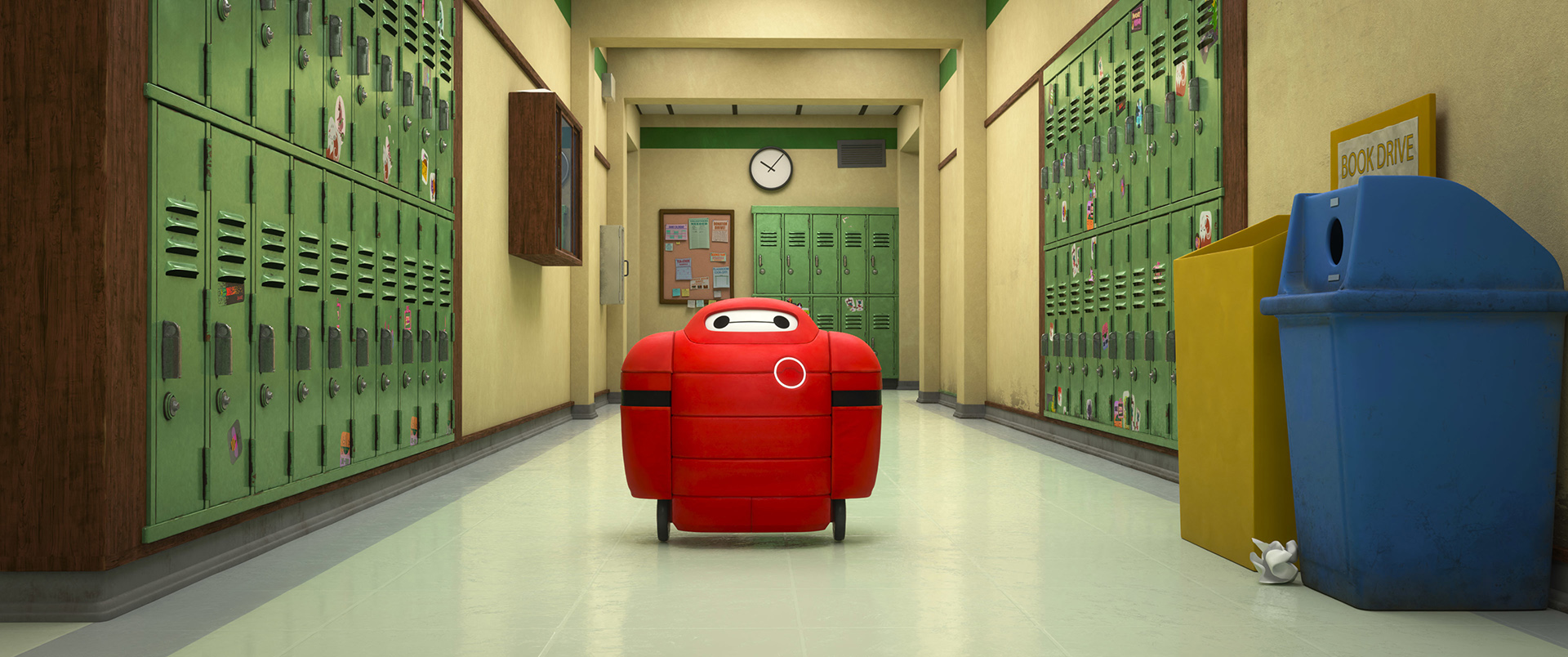
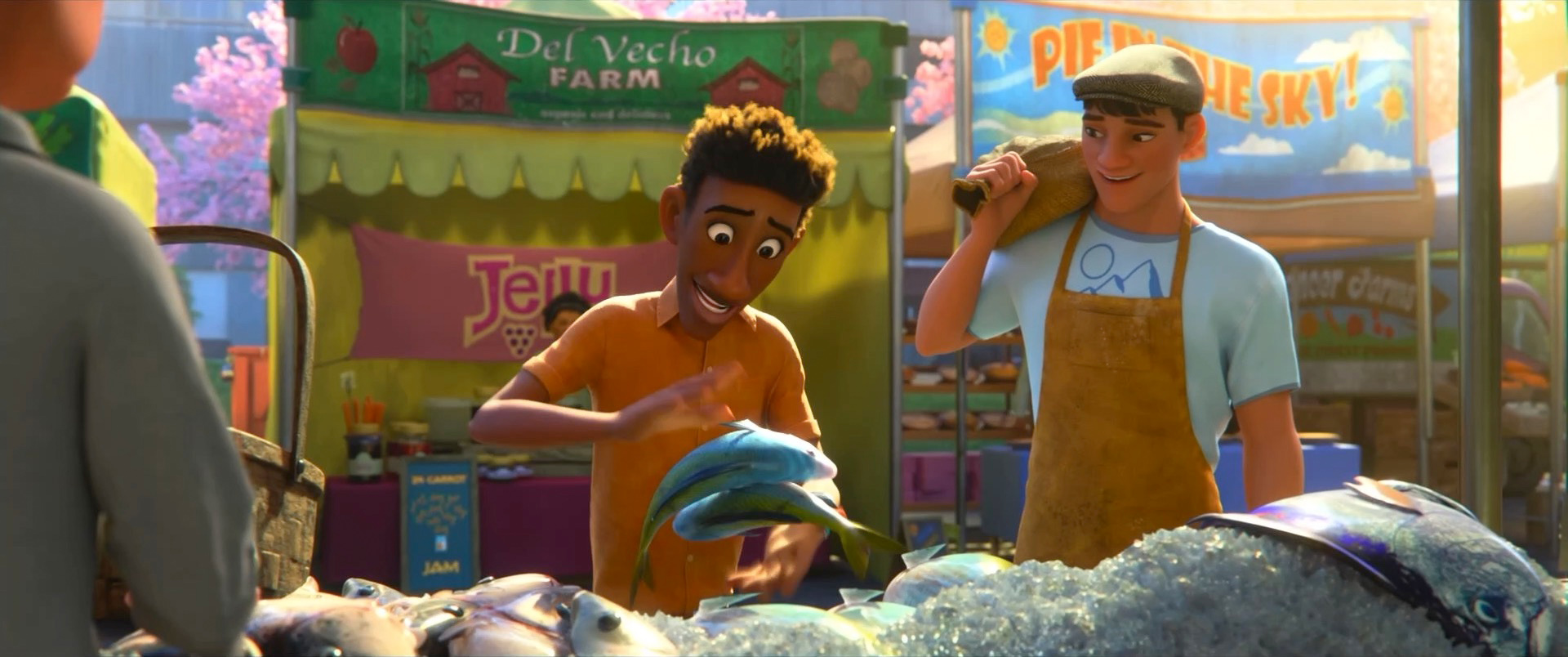
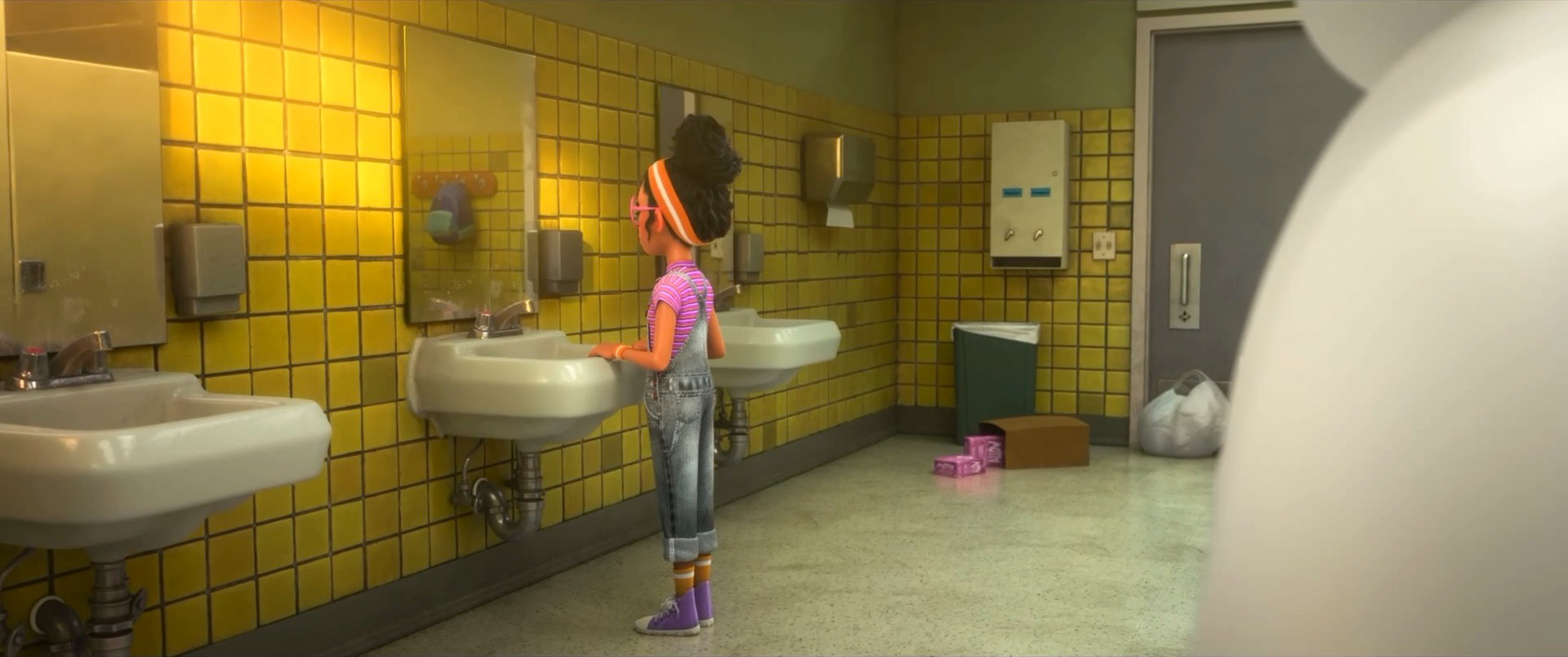
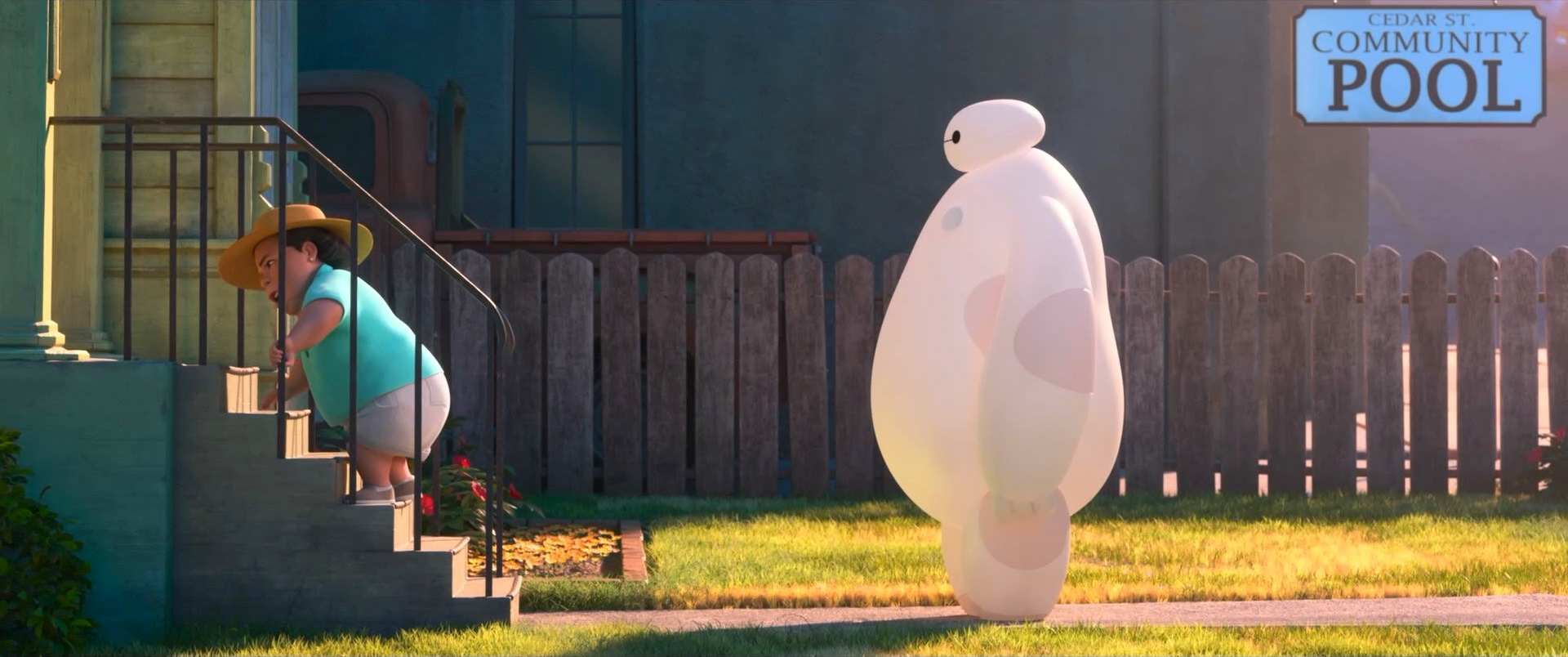
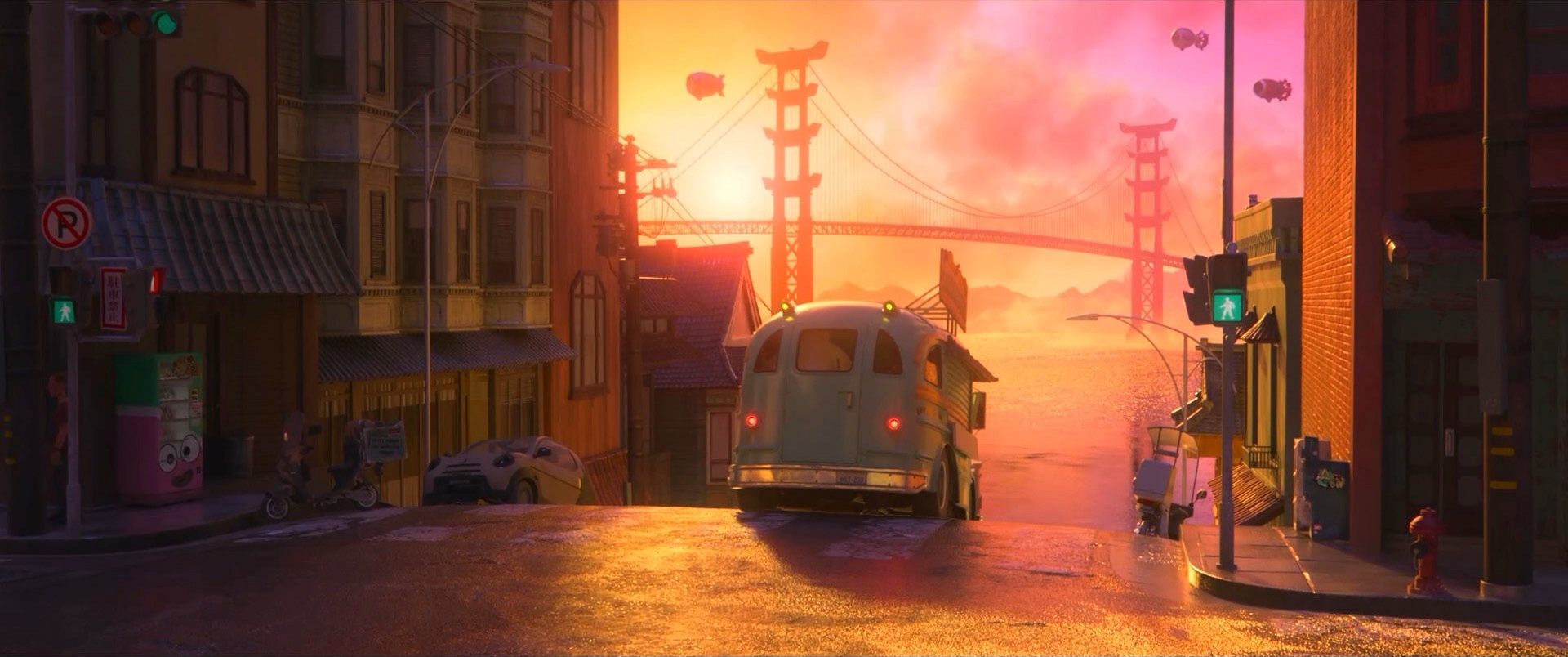
Baymax! is available for streaming on Disney+; I recommend projecting or casting Disney+ to the largest screen you can to best see all of the amazing work that went into making this television series look every bit as good as our feature films. Here is a selection of stills from Disney+, presented in no particular order:
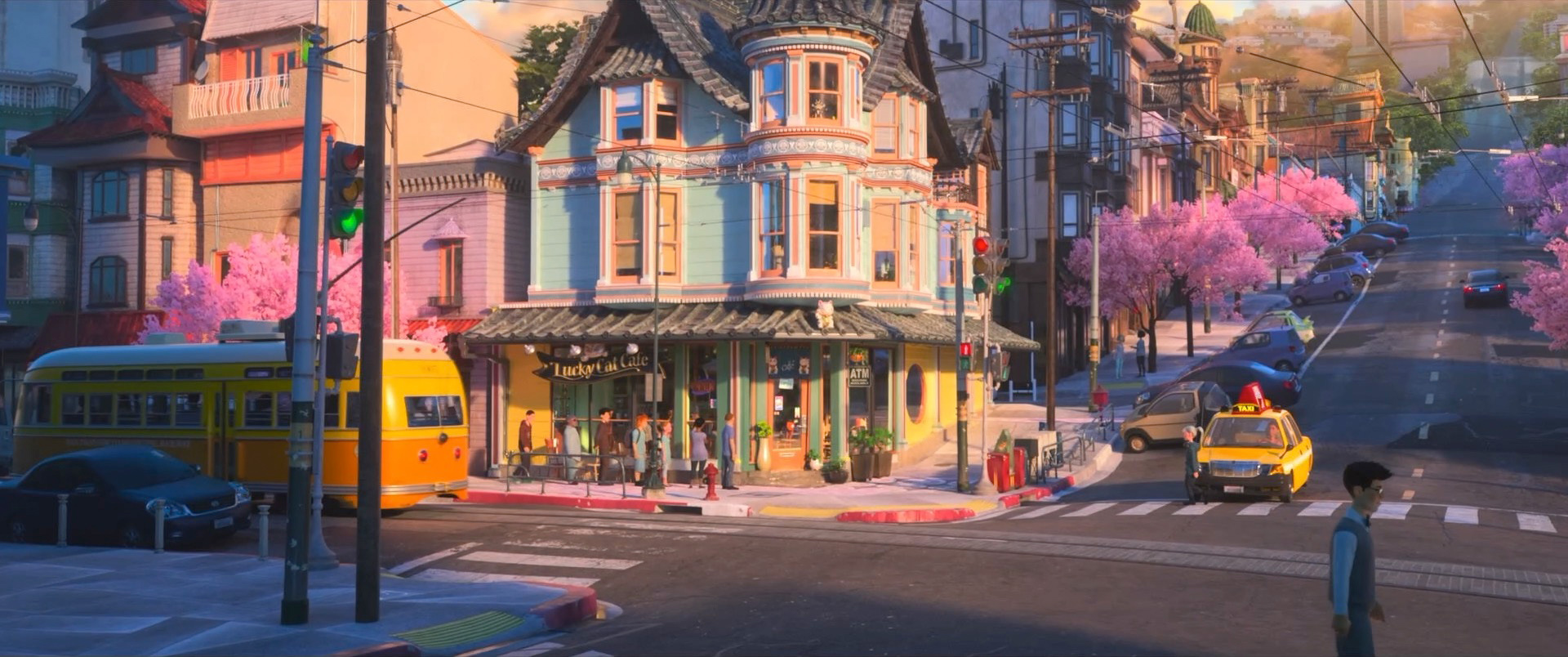
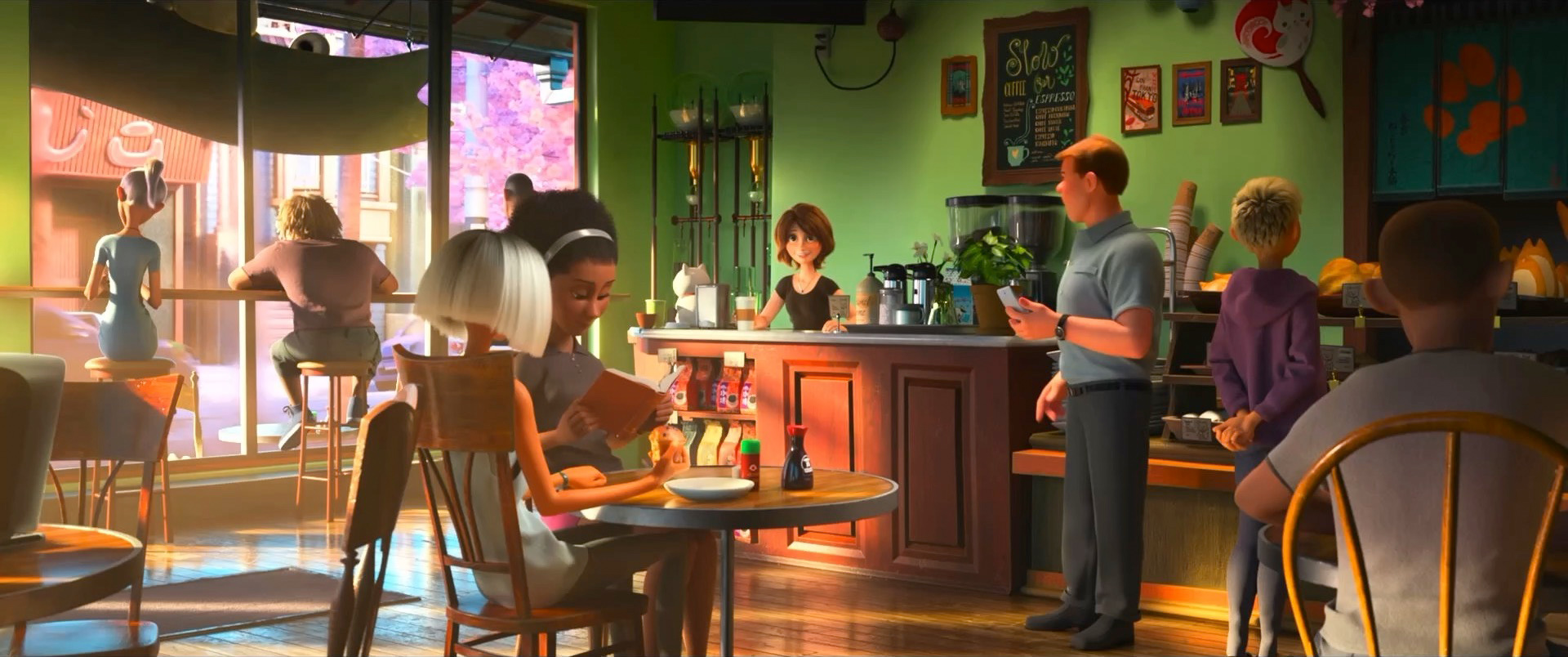
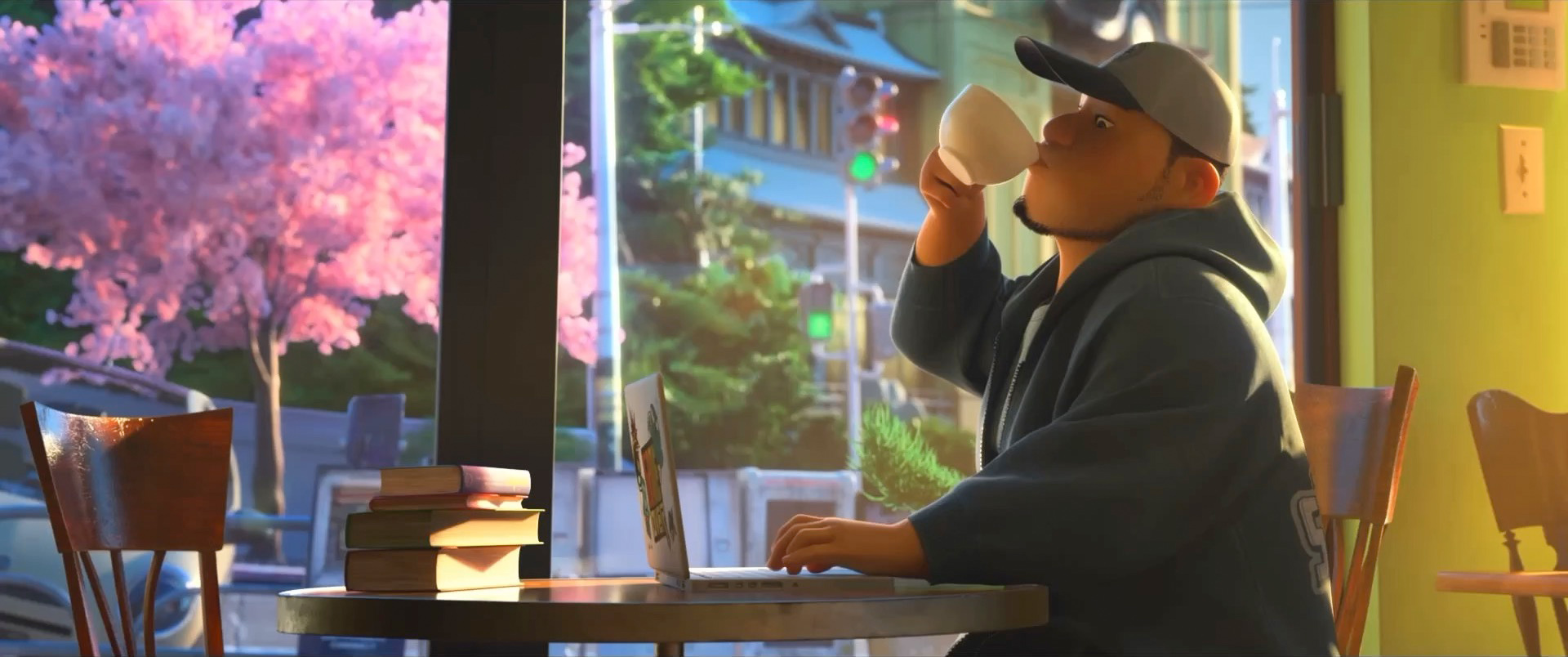
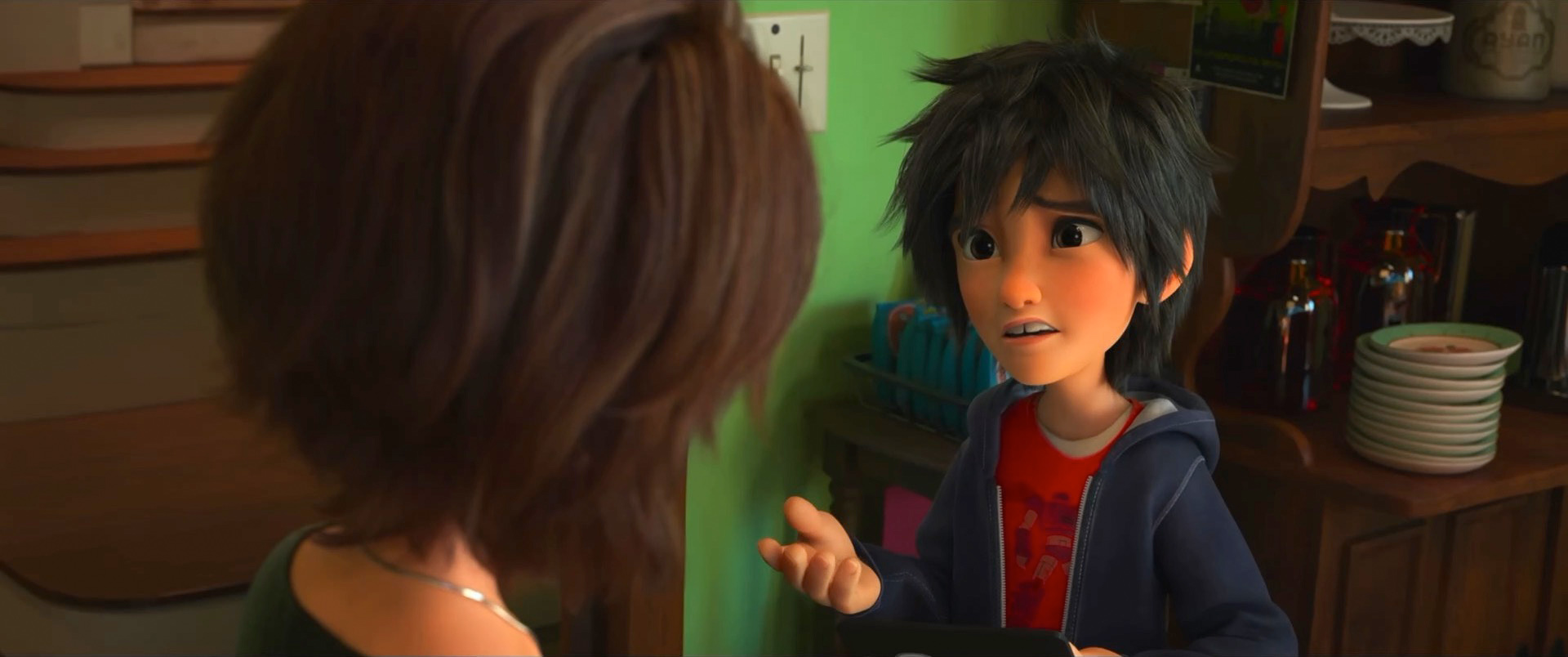
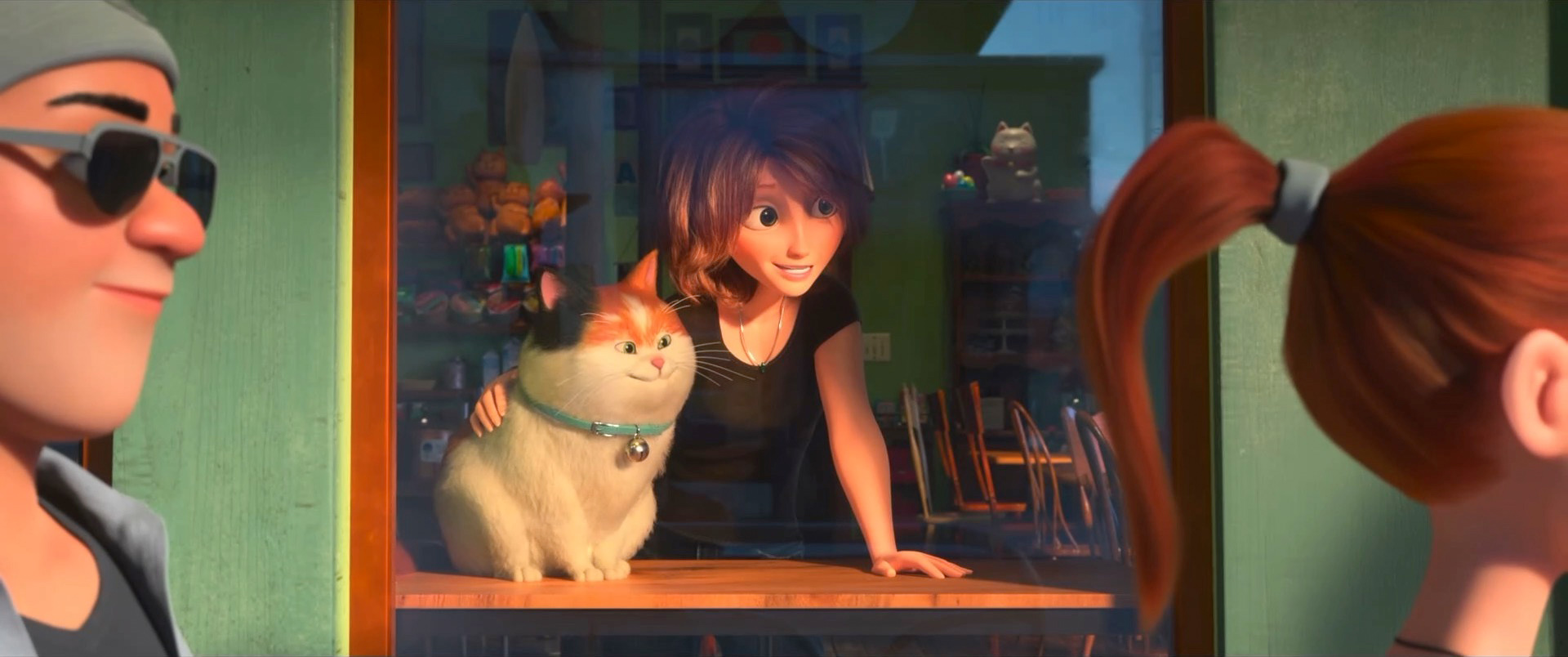
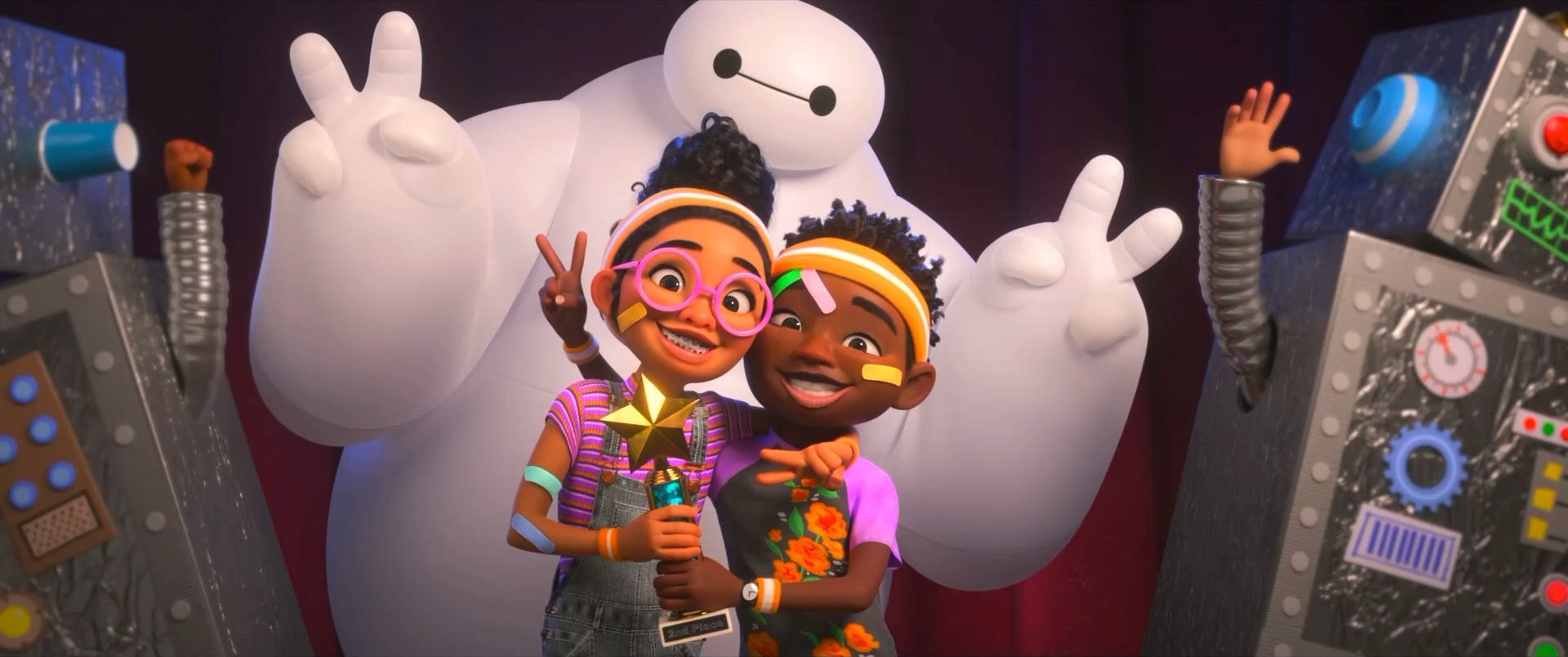
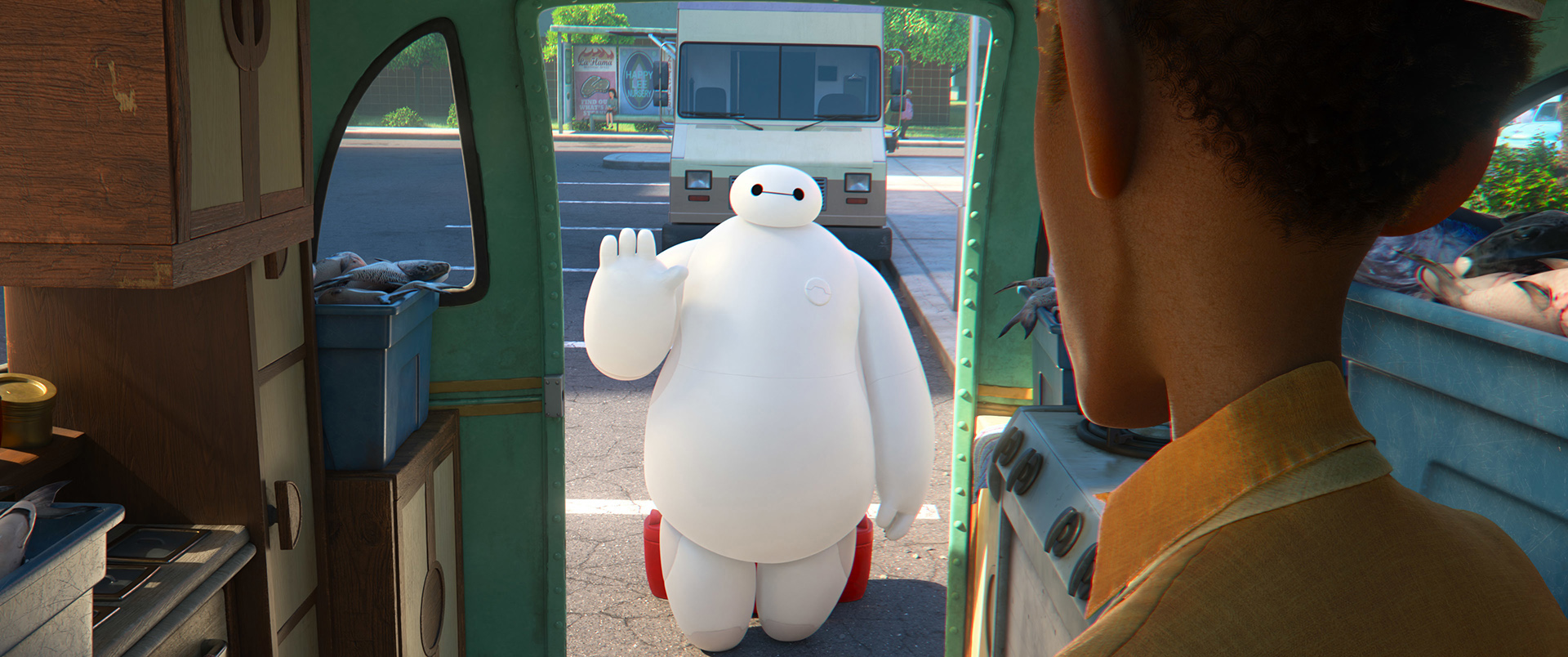
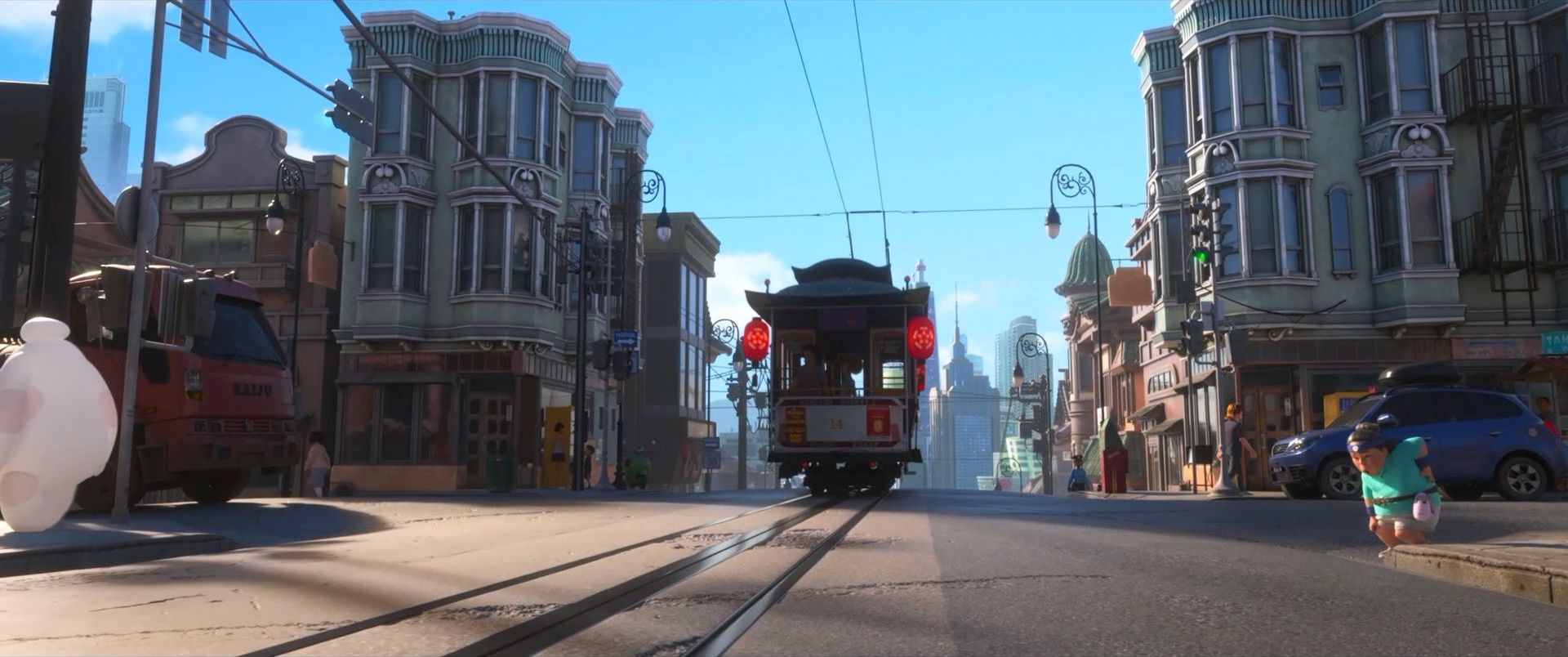
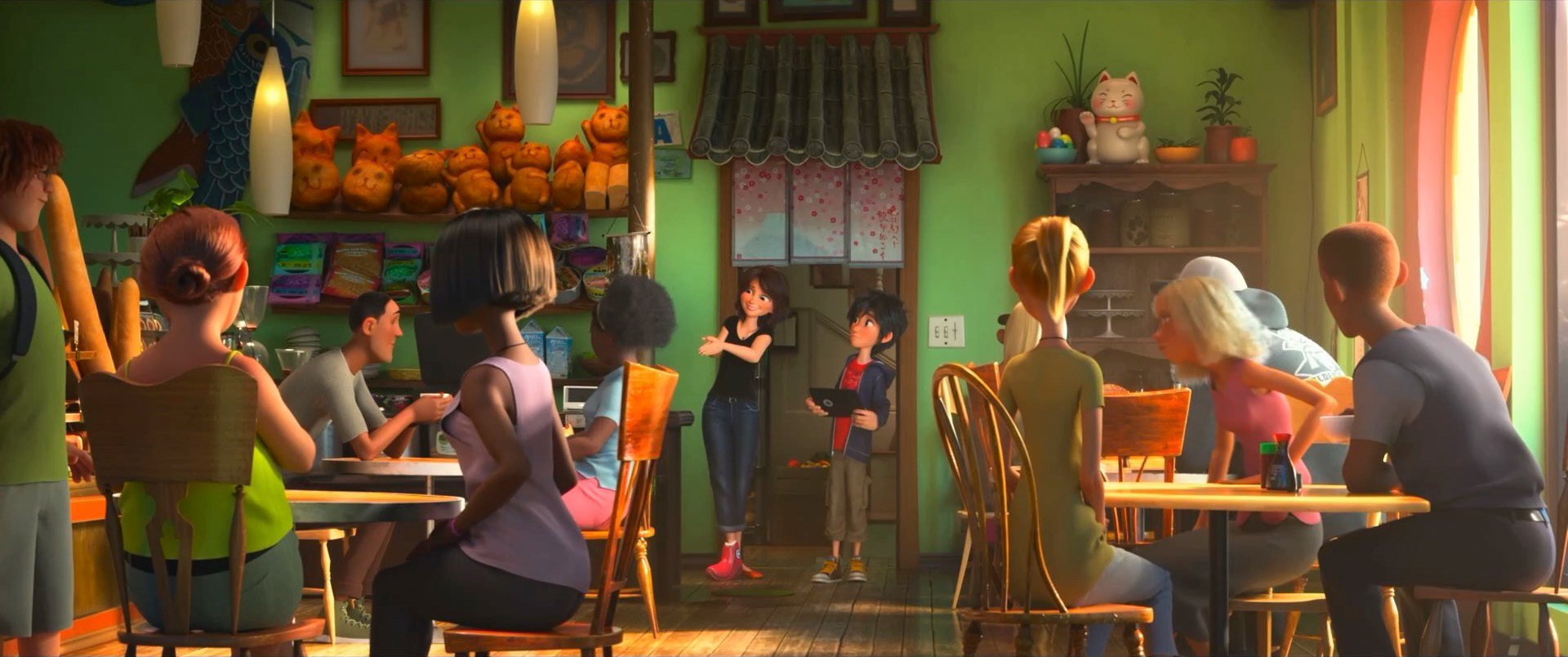
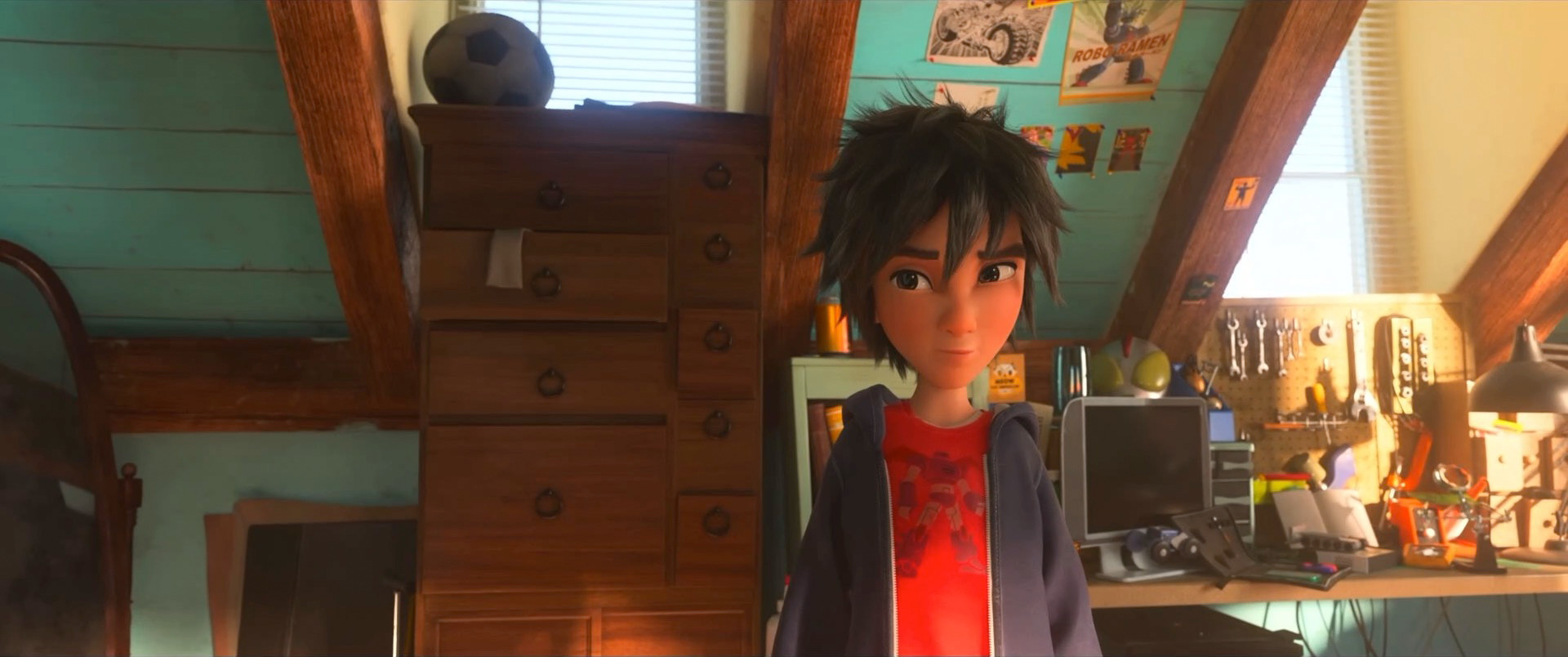
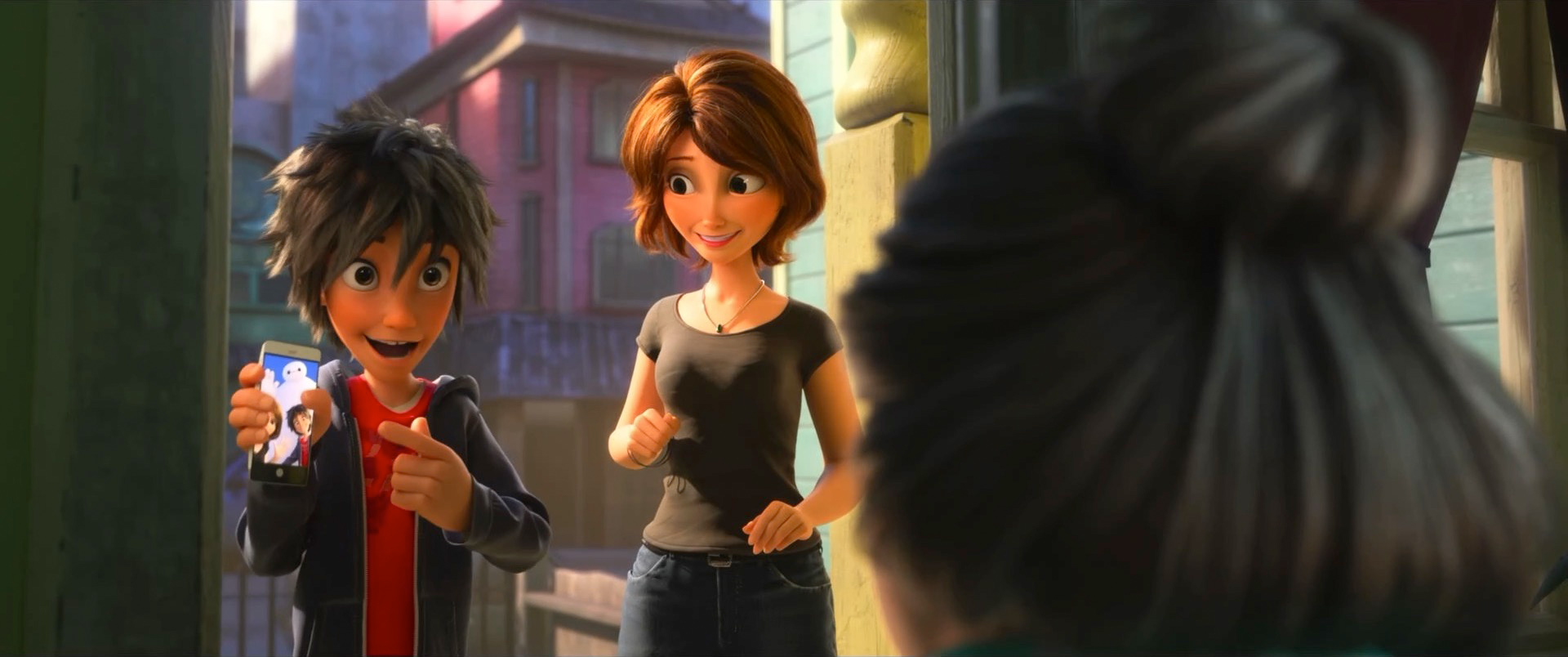
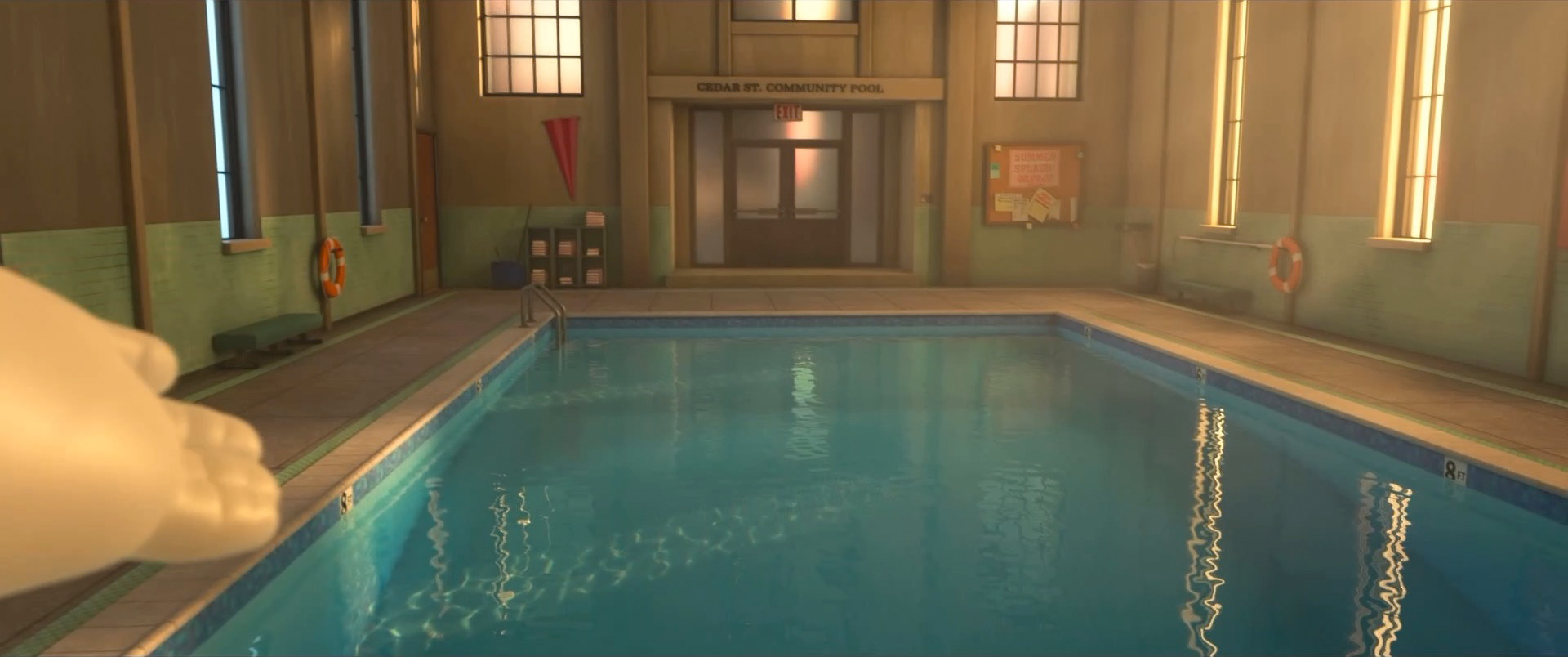
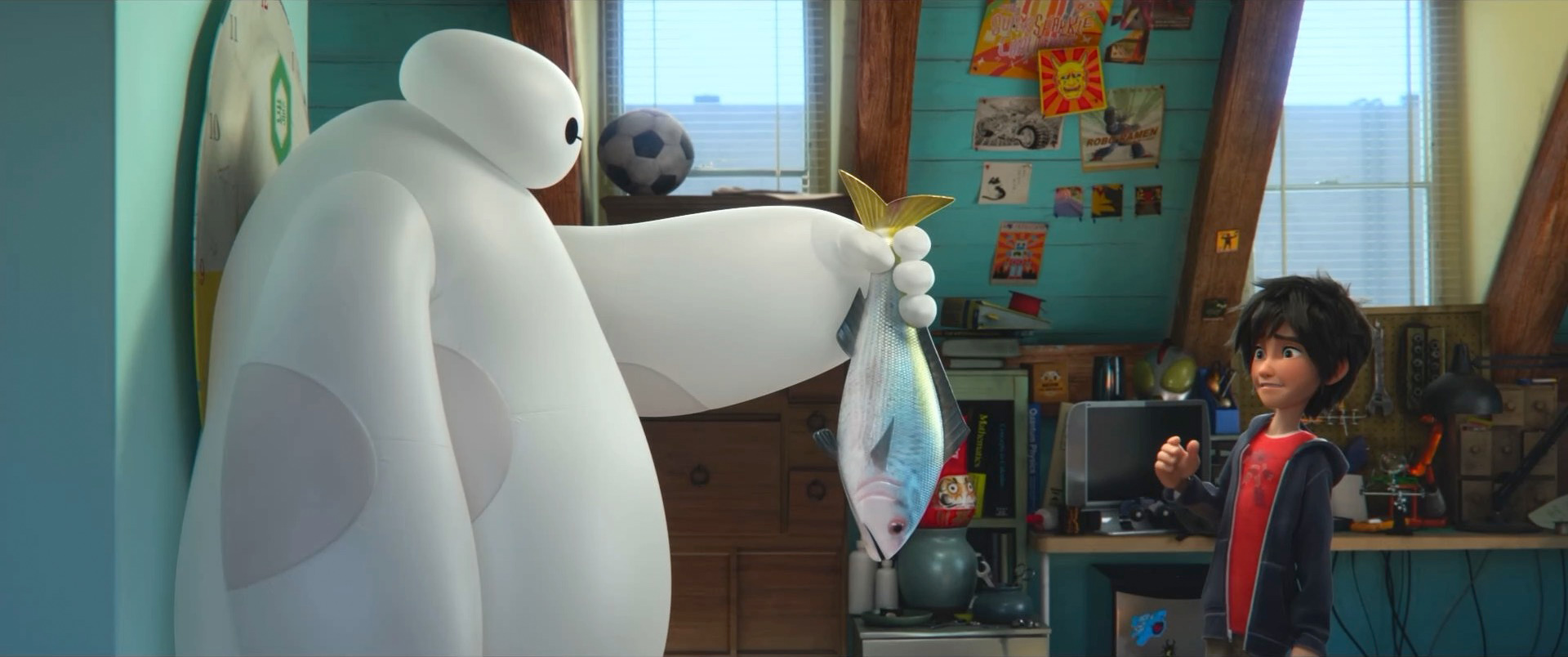
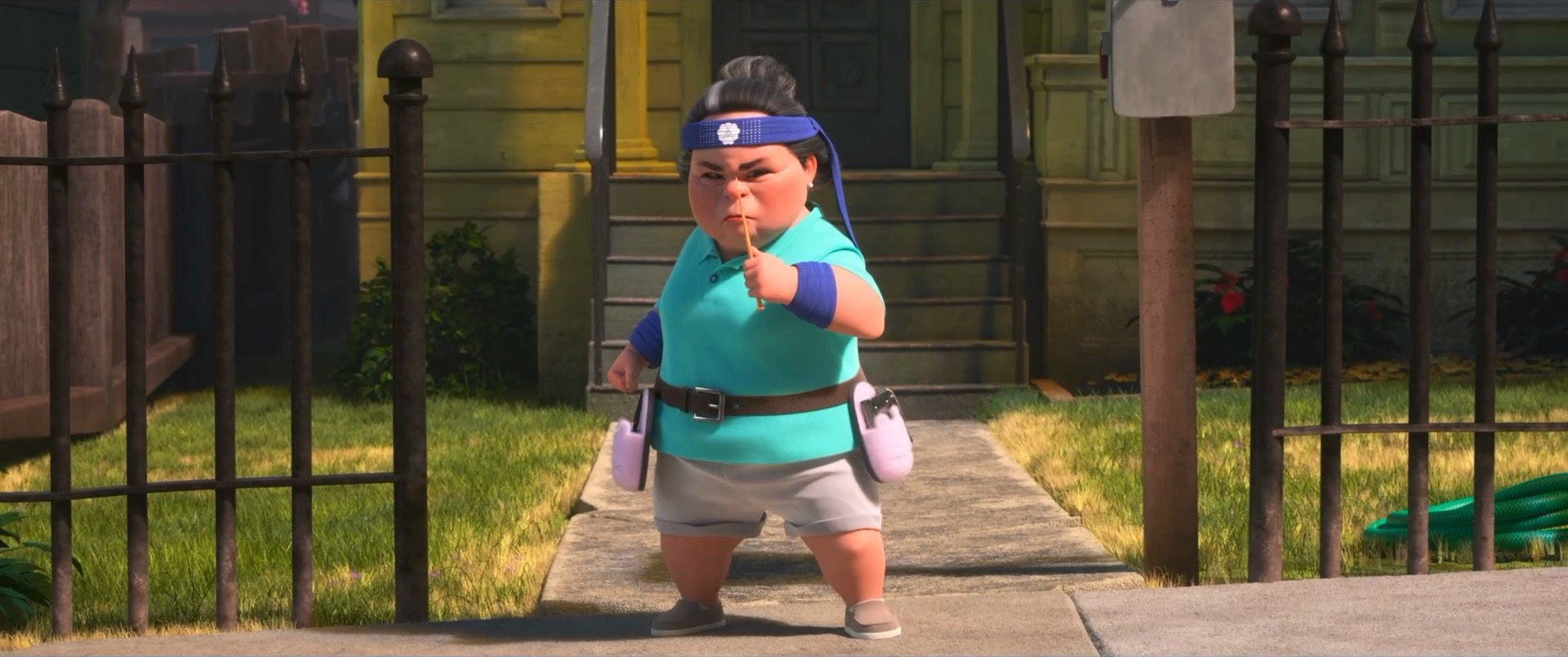
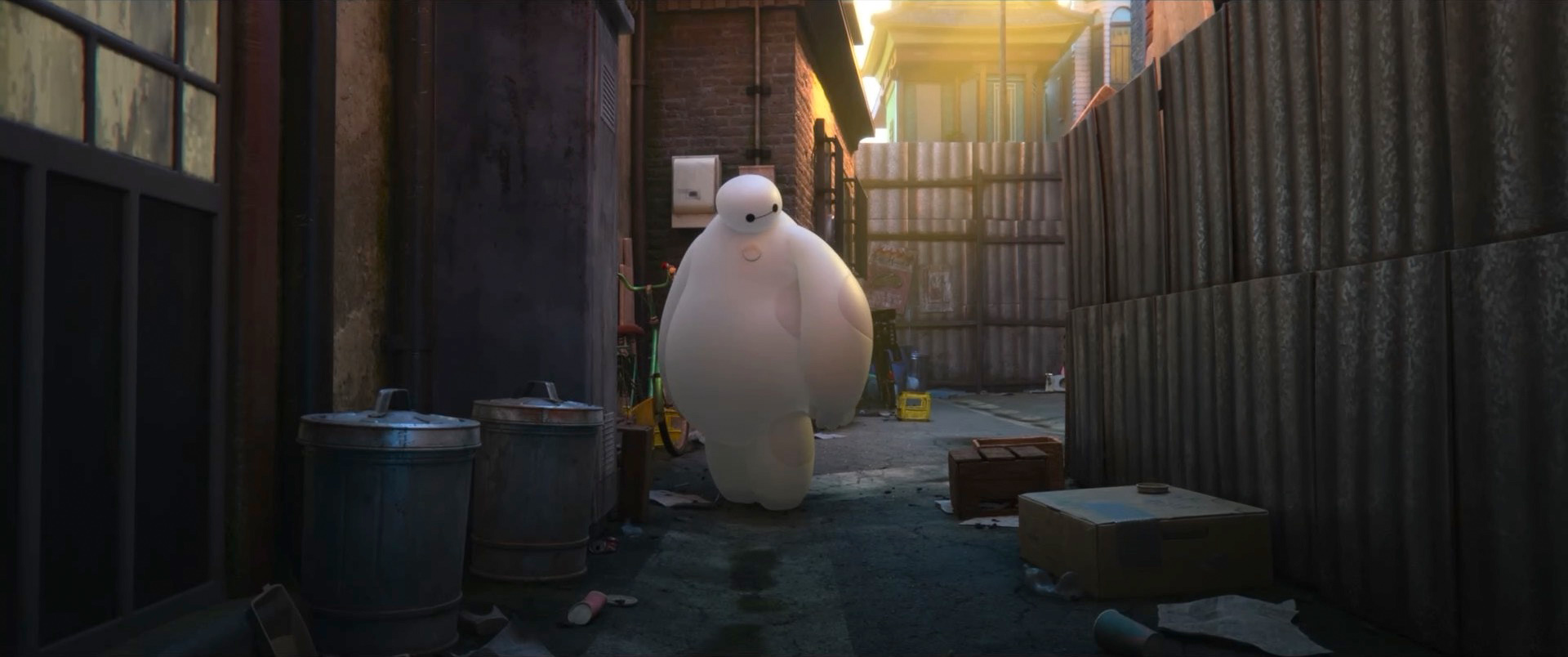
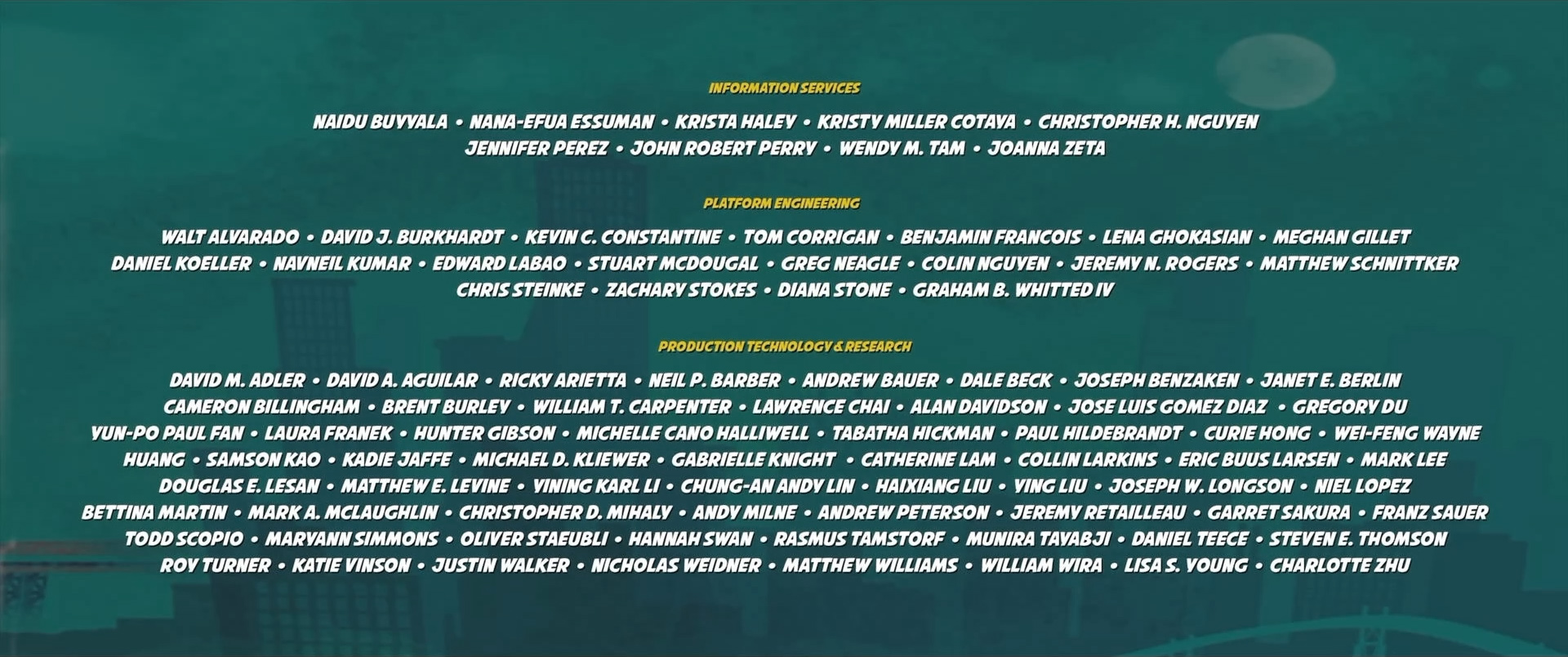
Here is the credits frame for the Hyperion team, interspersed within the larger credits block for the entire production technology team at Disney Animation:
All images in this post are courtesy of and the property of Walt Disney Animation Studios.
References
Brent Burley. 2012. Physically Based Shading at Disney. In ACM SIGGRAPH 2012 Course Notes: Practical Physically-Based Shading in Film and Game Production.
Brent Burley. 2015. Extending the Disney BRDF to a BSDF with Integrated Subsurface Scattering. In ACM SIGGRAPH 2015 Course Notes: Physically Based Shading in Theory and Practice.
Brent Burley, David Adler, Matt Jen-Yuan Chiang, Hank Driskill, Ralf Habel, Patrick Kelly, Peter Kutz, Yining Karl Li, and Daniel Teece. 2018. The Design and Evolution of Disney’s Hyperion Renderer. ACM Transactions on Graphics 37, 3 (Jul. 2018), Article 33.
Matt Jen-Yuan Chiang, Benedikt Bitterli, Chuck Tappan, and Brent Burley. 2016. A Practical and Controllable Hair and Fur Model for Production Path Tracing. Computer Graphics Forum (Proc. of Eurographics) 35, 2 (May 2016), 275-283.
Matt Jen-Yuan Chiang, Peter Kutz, and Brent Burley. 2016. Practical and Controllable Subsurface Scattering for Production Path Tracing. In ACM SIGGRAPH 2016 Talks. Article 49.
Matt Jen-Yuan Chiang, Yining Karl Li, and Brent Burley. 2019. Taming the Shadow Terminator. In ACM SIGGRAPH 2019 Talks. Article 71.
Per H. Christensen and Brent Burley. 2015. Approximate Reflectance Profiles for Efficient Subsurface Scattering. In ACM SIGGRAPH 2015 Talks. Article 25.
Hank Driskill, Larry Wu, Adolph Lusinsky, and Sean D. Jenkins. 2015. Building San Fransokyo: Creating the World of Disney’s “Big Hero 6”. In ACM SIGGRAPH 2015 Production Sessions. 169.
Yasser Hamed, John Kahwaty, Andy Lin, Evan Goldberg, and Lawrence Chai. 2015. Crowd Character Complexity on Big Hero 6. In ACM SIGGRAPH 2015 Talks. Article 77.
Iman Sadeghi, Heather Pritchett, Henrik Wann Jensen, and Rasmus Tamstorf. 2010. An Artist Friendly Hair Shading System. ACM Transactions on Graphics (Proc. of SIGGRAPH) 29, 4 (Jul. 2010), Article 56.
Thijs Vogels, Fabrice Rousselle, Brian McWilliams, Gerhard Röthlin, Alex Harvill, David Adler, Mark Meyer, and Jan Novák. 2018. Denoising with Kernel Prediction and Asymmetric Loss Functions. ACM Transactions on Graphics (Proc. of SIGGRAPH) 37, 4 (Aug. 2018), Article 124.