Inner Workings
Along with Moana’s theatrical release last fall, Disney Animation also released a short film titled Inner Workings, which is also rendered using Disney’s Hyperion Renderer. The Blu-ray release for Moana is out today, and Inner Workings is included with the Blu-ray and digital releases. I didn’t work on Inner Workings directly aside from the usual support and bug fixing that our team provides for all projects and artists using Hyperion, but I thought I’d share a few technical notes about Inner Workings along with a handful of my favorite frames to celebrate the occasion of the Blu-ray release.
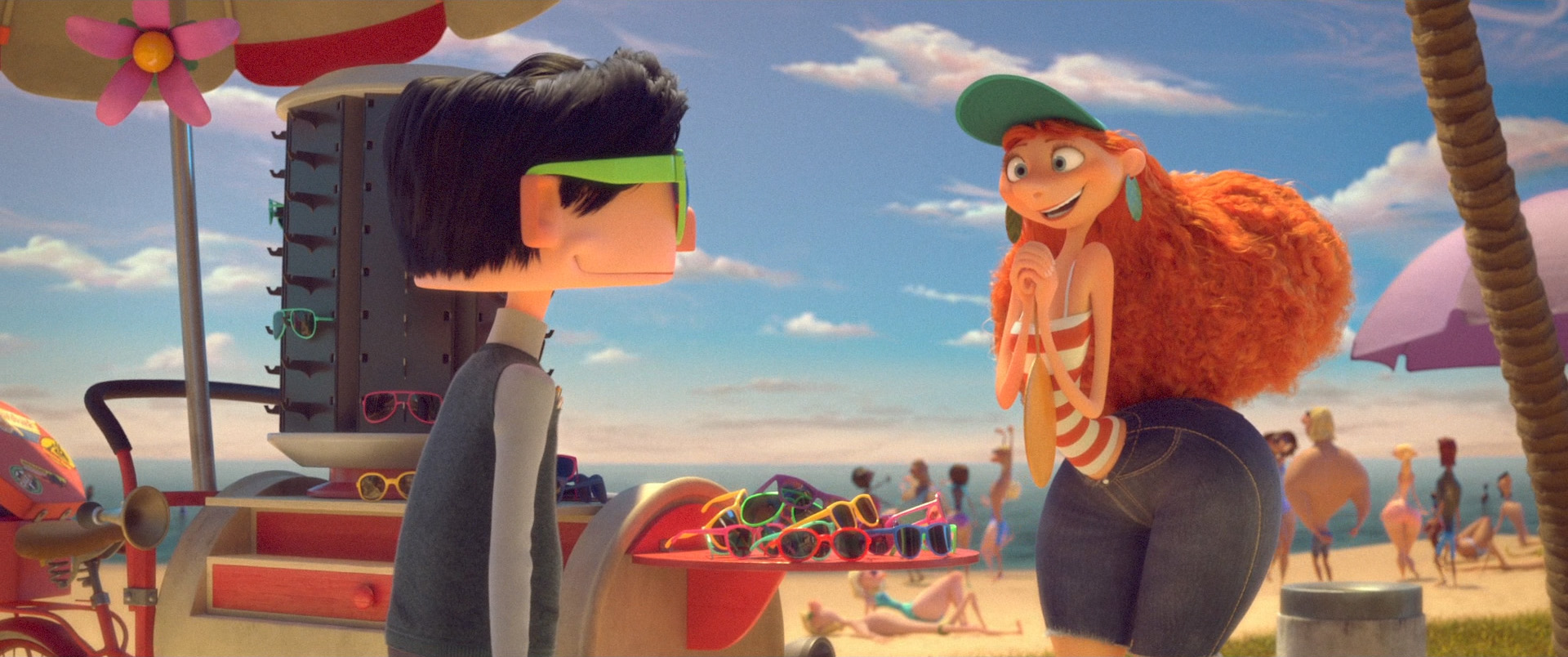
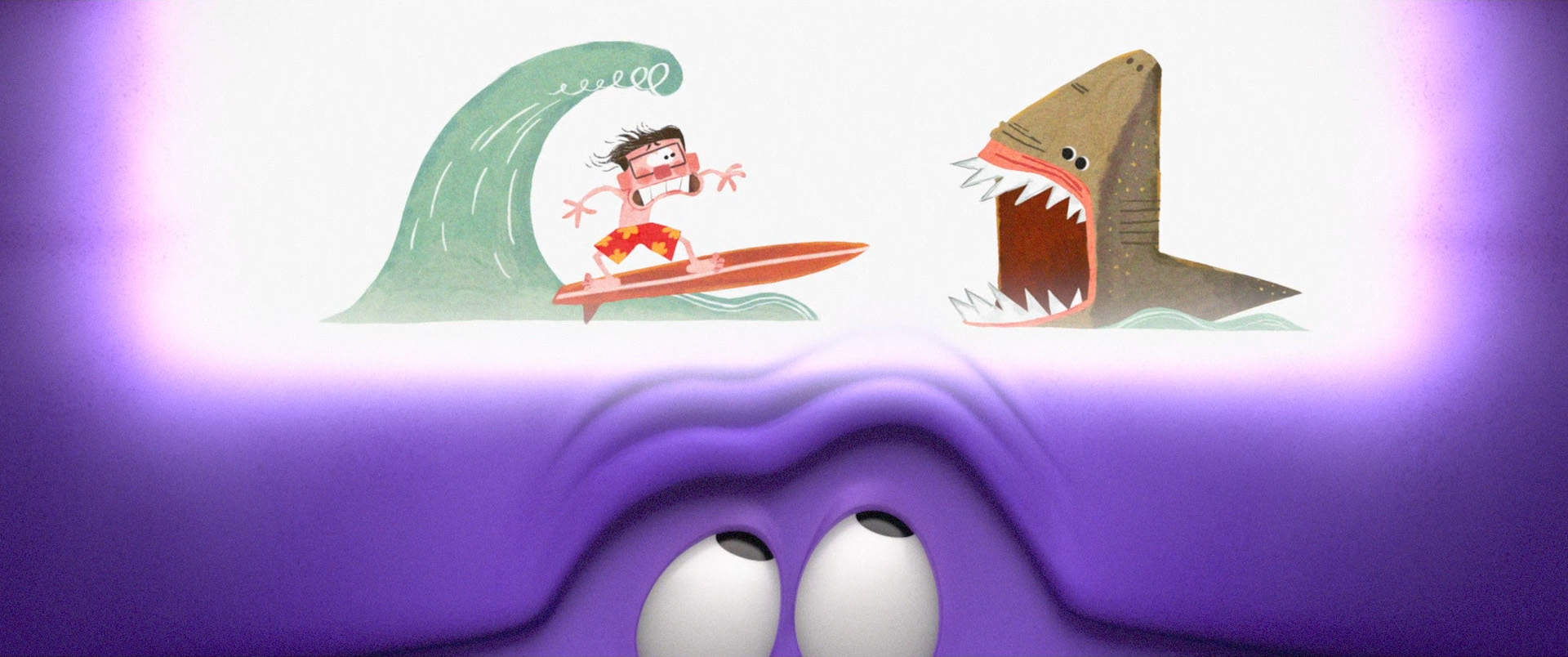
Inner Workings follows our hero, Paul, and his internal organs as he goes through a typical work day. We see how his different organs represent his different emotions and desires and how they represent Paul’s internal struggle between being rational logical and being free-spirited and adventurous. Inner Workings was made with essentially the same version of Hyperion which was used on Zootopia, but Inner Workings was not rendered entirely using Hyperion; the other renderer using on Inner Workings was the human hand! A large chunk of Inner Workings is traditional hand-drawn animation made using Disney Animation’s Meander tool [Whited et al. 2012], which was previously used on Paperman and Feast [Kahrs et al. 2012, Osborne and Staub 2015]! Every time Paul’s brain imagines a future scenario, all of the animation is wonderful hand-drawn work that is in the director, Leo Matsuda’s, personal style. It looks absolutely fantastic, and this type of merger between cutting edge CG and beautiful traditional animation speaks towards Disney Animation’s combination of modern technology with rich artistic legacy.
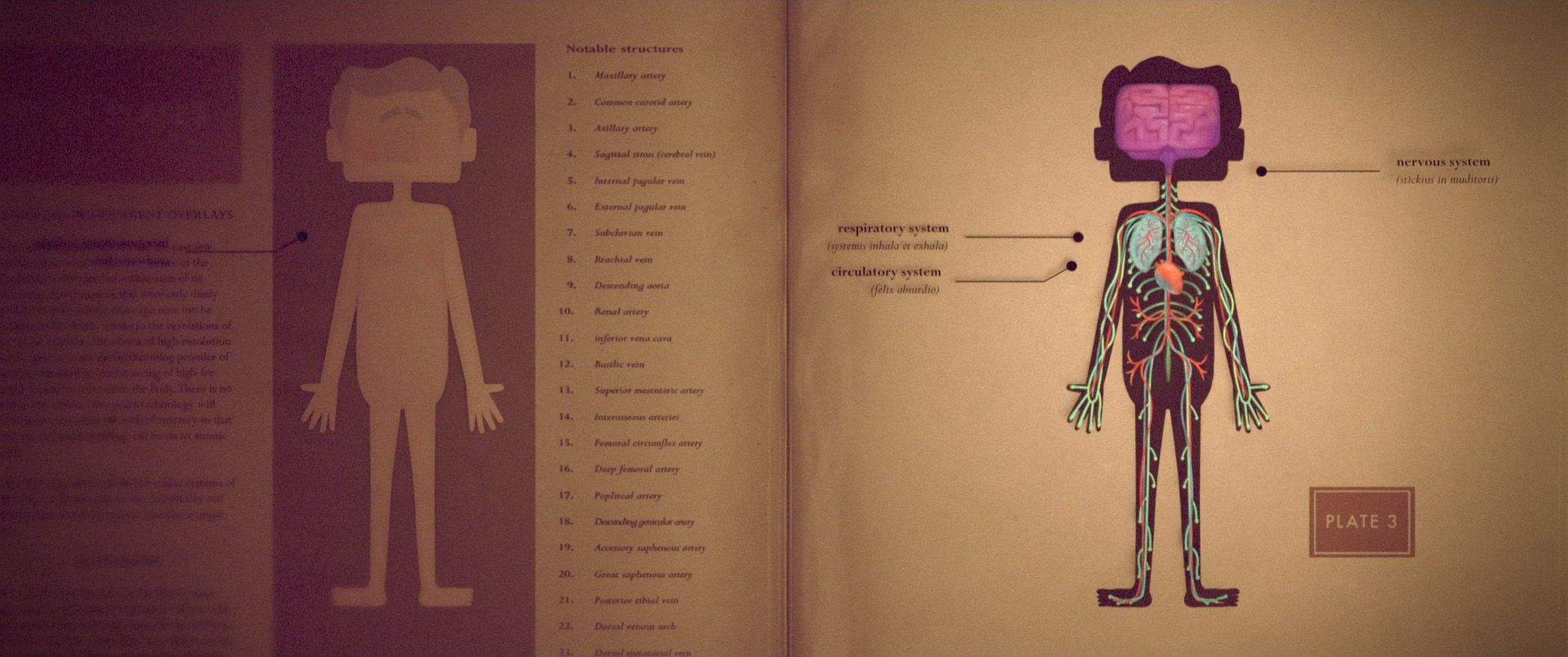
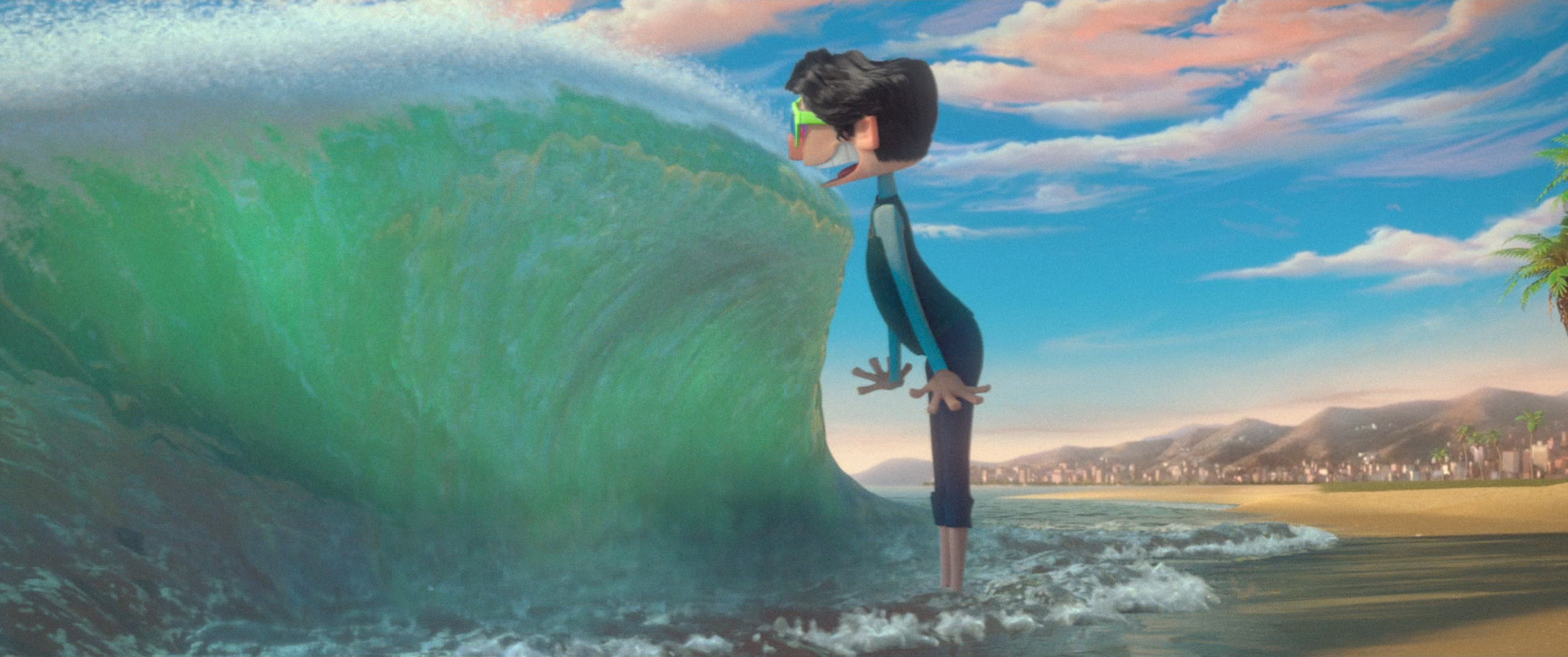
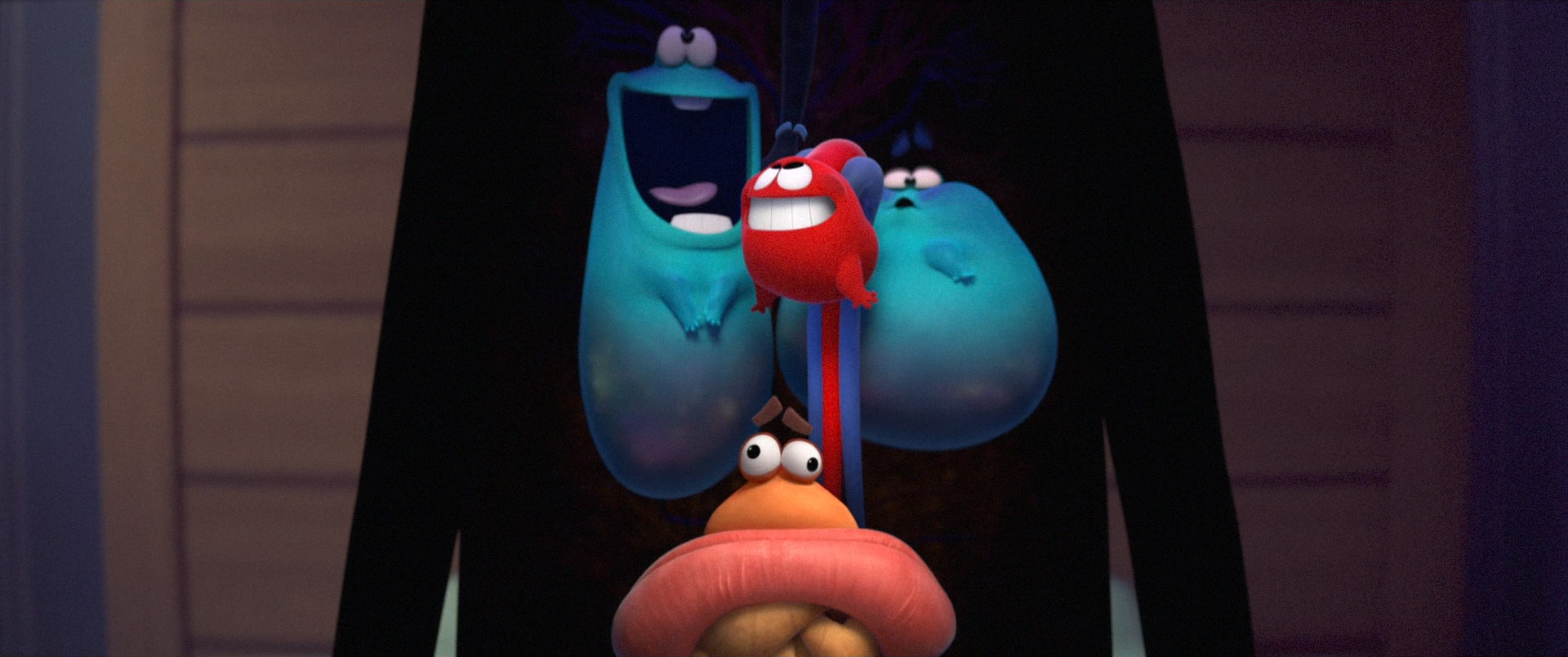
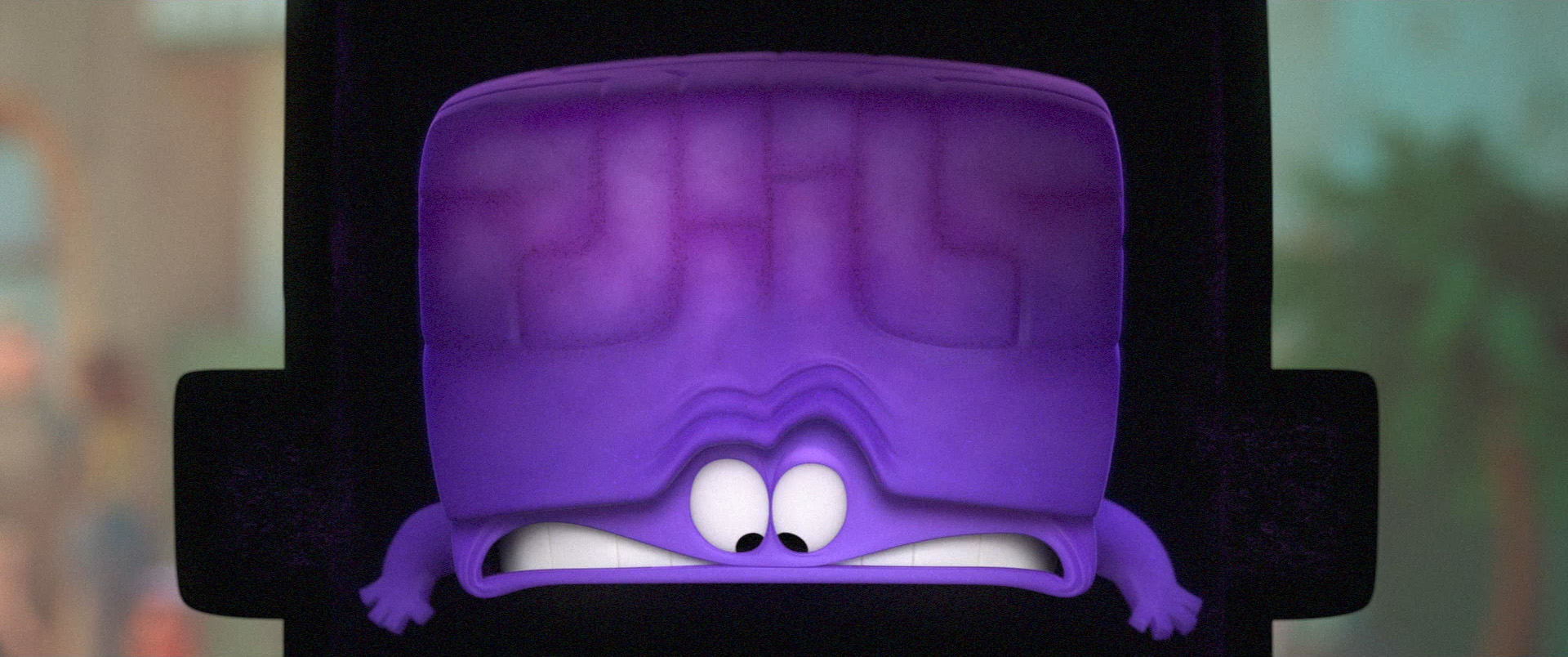
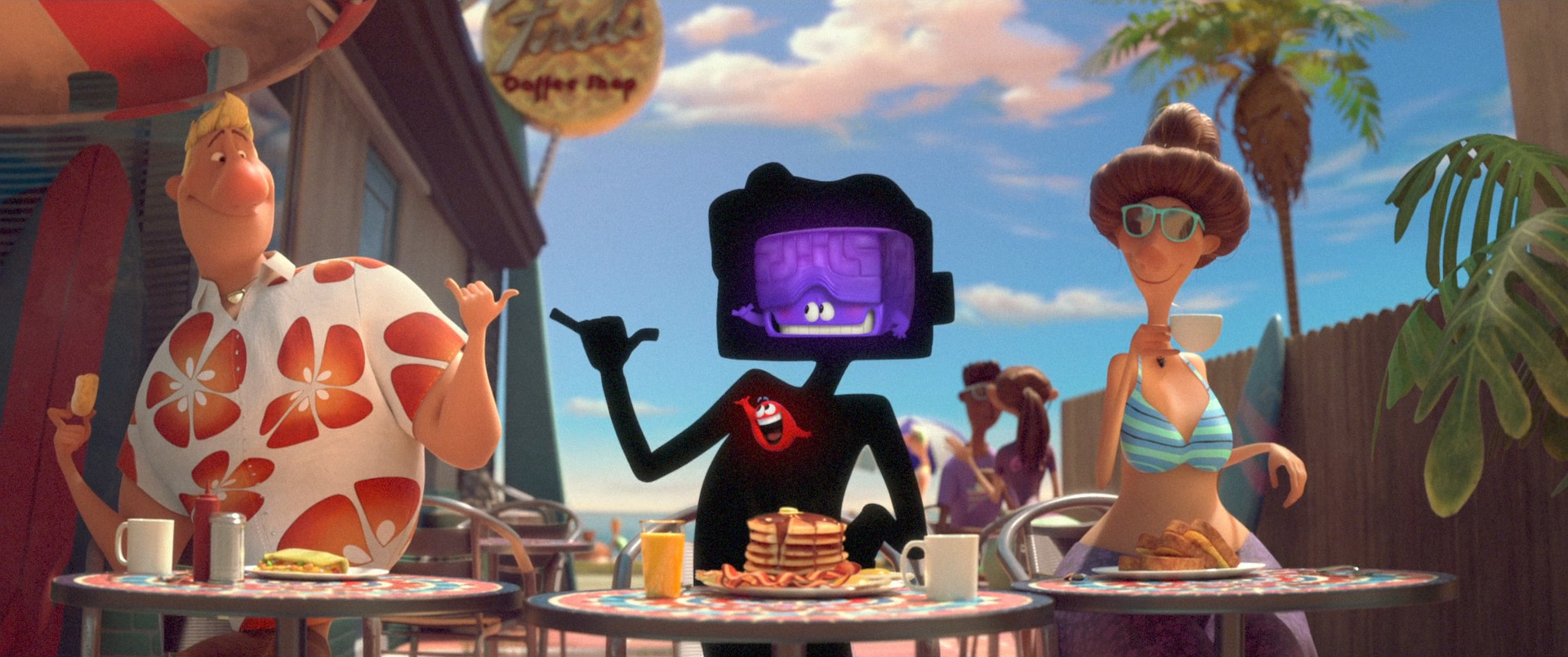
The opening shot of Inner Workings is an anatomy textbook with clear plastic pages flipping to show overlays of different body systems inside of Paul. This shot seems pretty simple but is actually a great example of a type of shot that is pretty easy with a modern ray tracing renderer and insanely difficult using older rasterized rendering; with Hyperion’s ray tracing, there are no compositing hacks required to see through all of the clear sheets, and the printing on each sheet just automatically and naturally casts soft shadows onto the sheets below, lending depth and realism. The design of Paul’s insides made for a bit of a fun rendering problem; all of the organs are cartoony and friendly and squishy, which from a rendering perspective means they are all gummy objects with tons of subsurface scattering but also lots of internal glow. The final look of the organs is made up of a mish-mash of subsurface scattering, diffuse transmission, and internal volumetrics. In general a lot of the look of Inner Workings follows a sort of heightened cartoony physicality, which I think really showcases the flexibility and power of Hyperion’s Disney Principled BSDF shading model [Burley 2015]. Inner Workings is also the last project made using our older pre-Moana water rendering system; Moana features a brand new, from-the-ground-up approach to water rendering [Palmer et al. 2017]. Despite the older water rendering tech, I think the handful of ocean beach shots in Inner Workings look great! Really this just goes to show that while better rendering technology always helps, at the end of the day the most important factor to making really nice looking films is the artists.
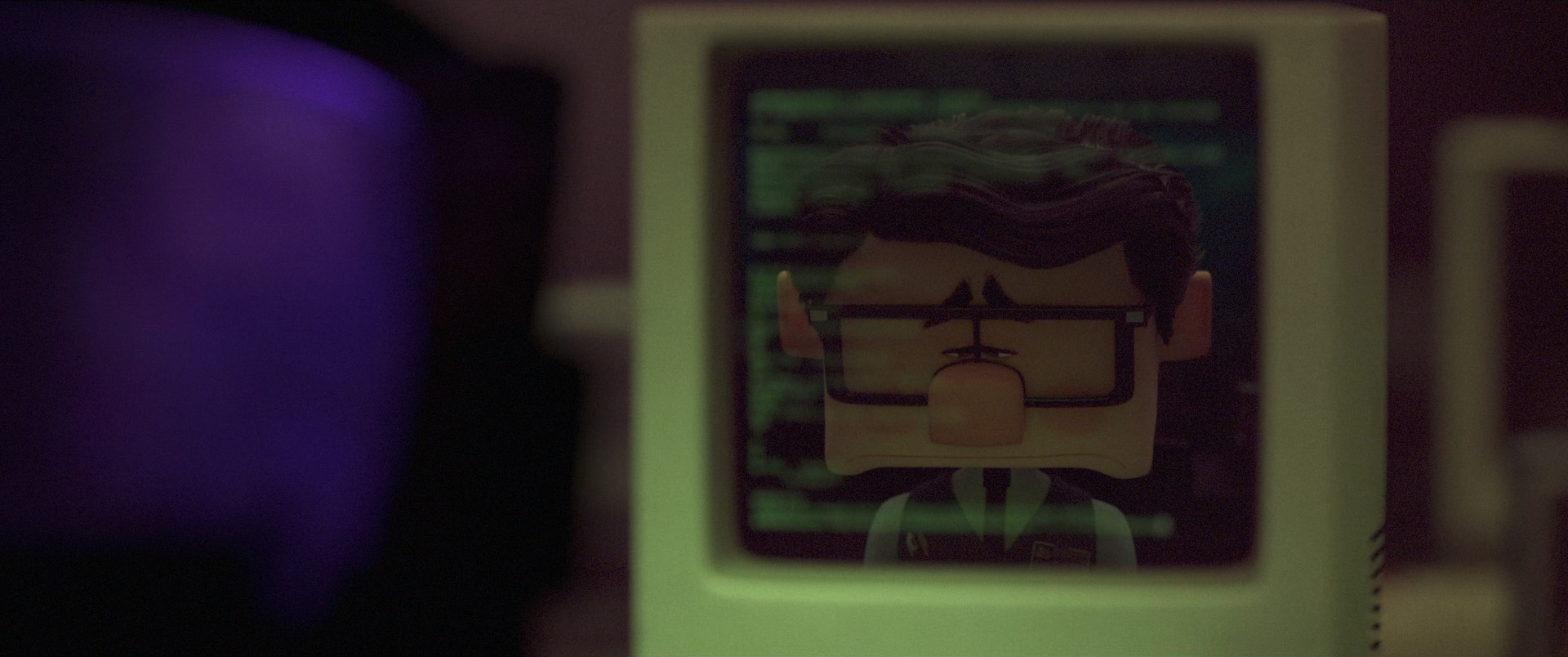
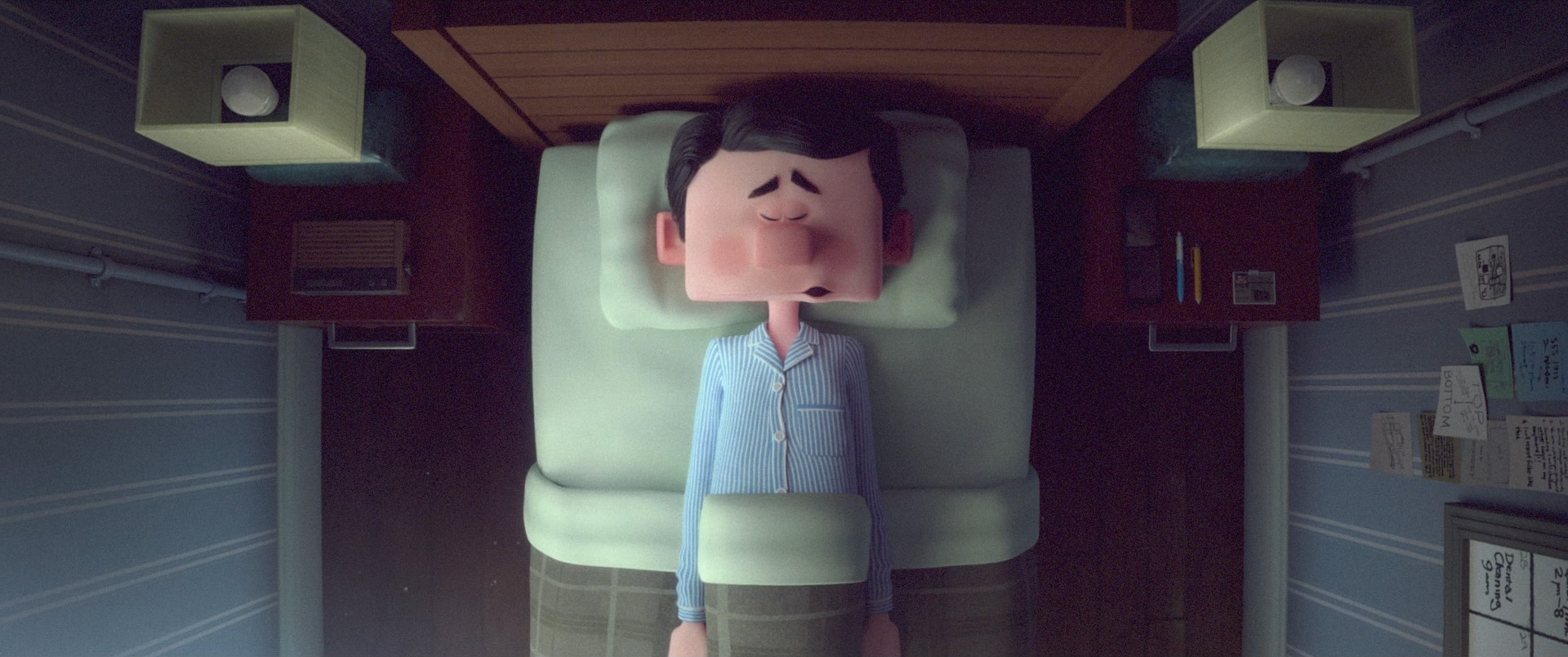
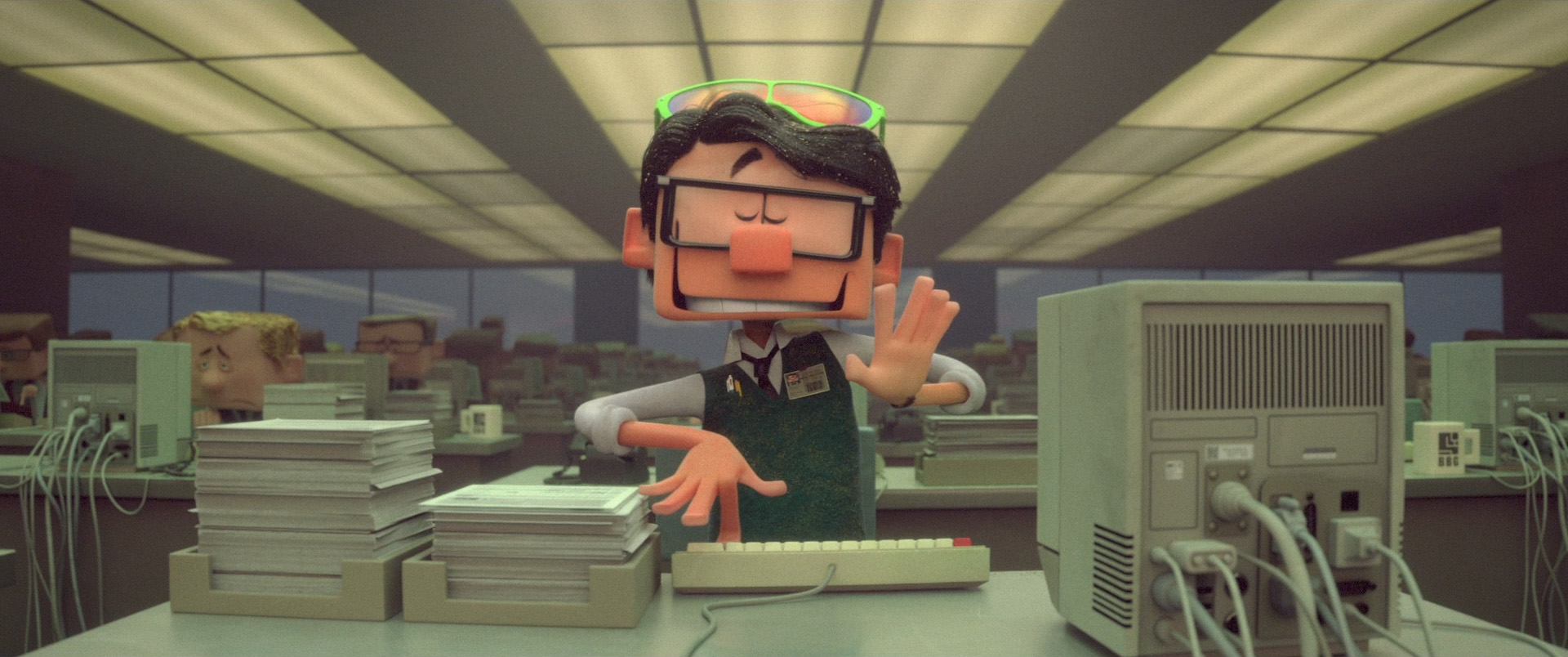
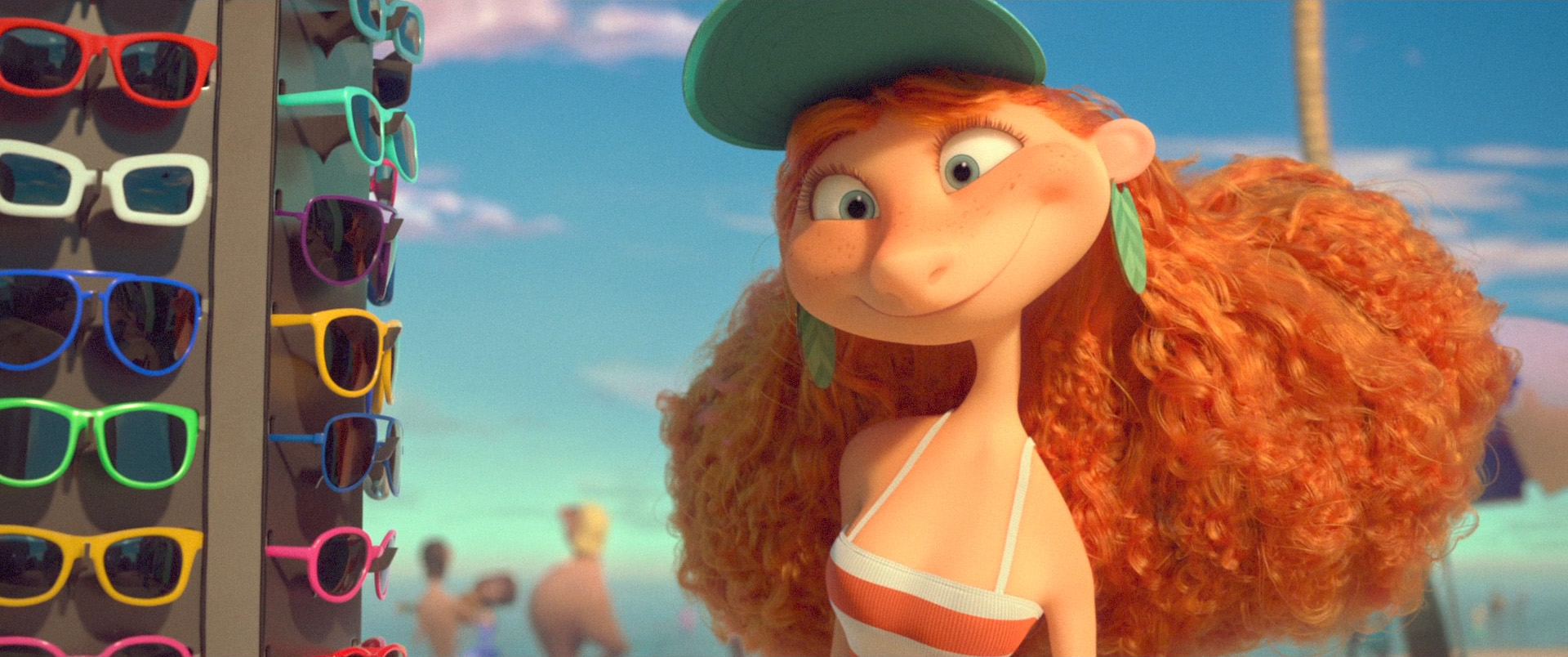
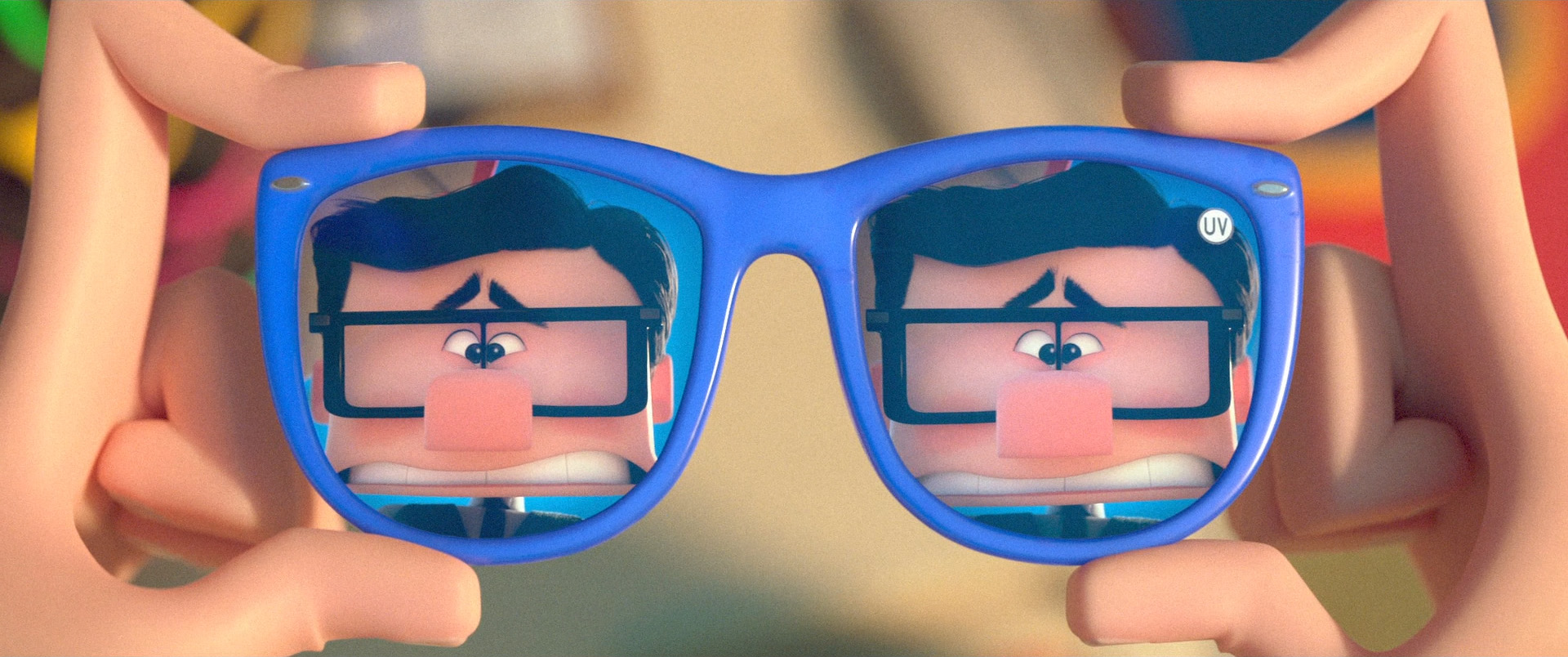
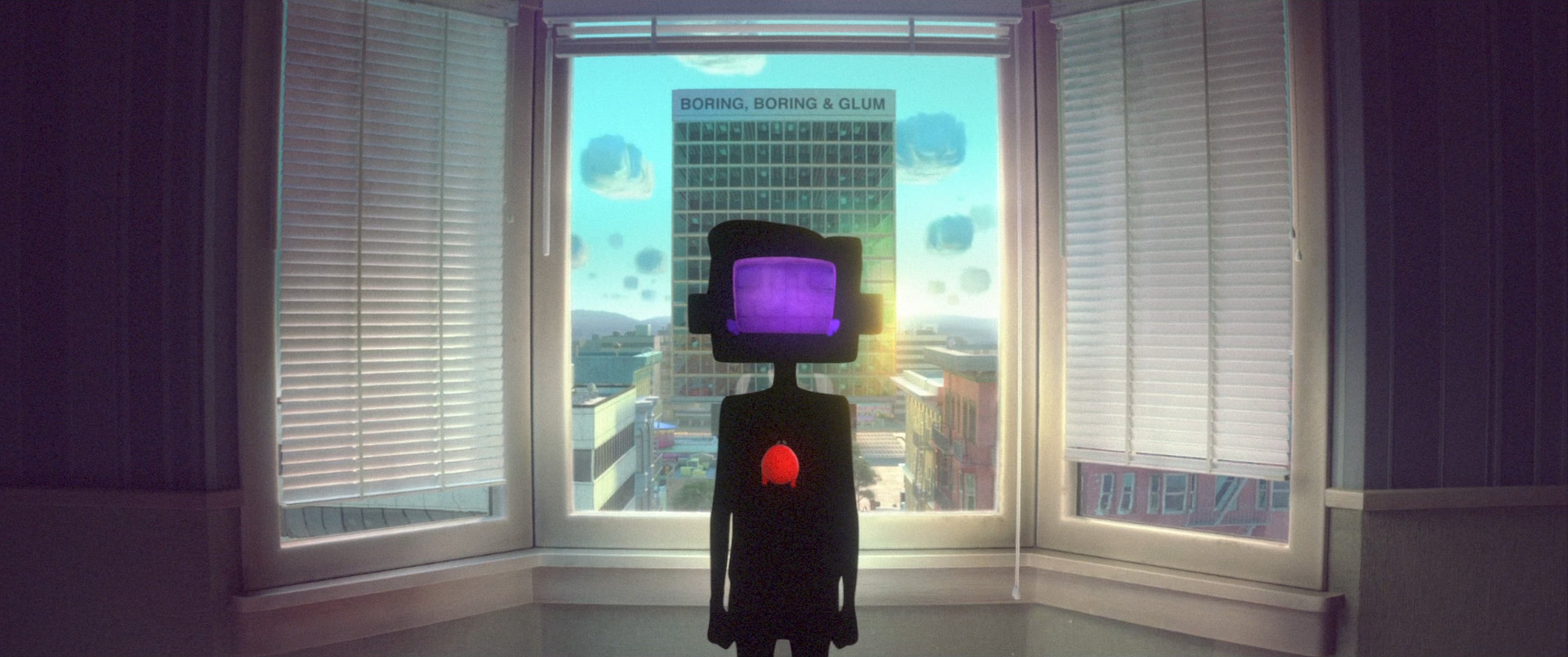
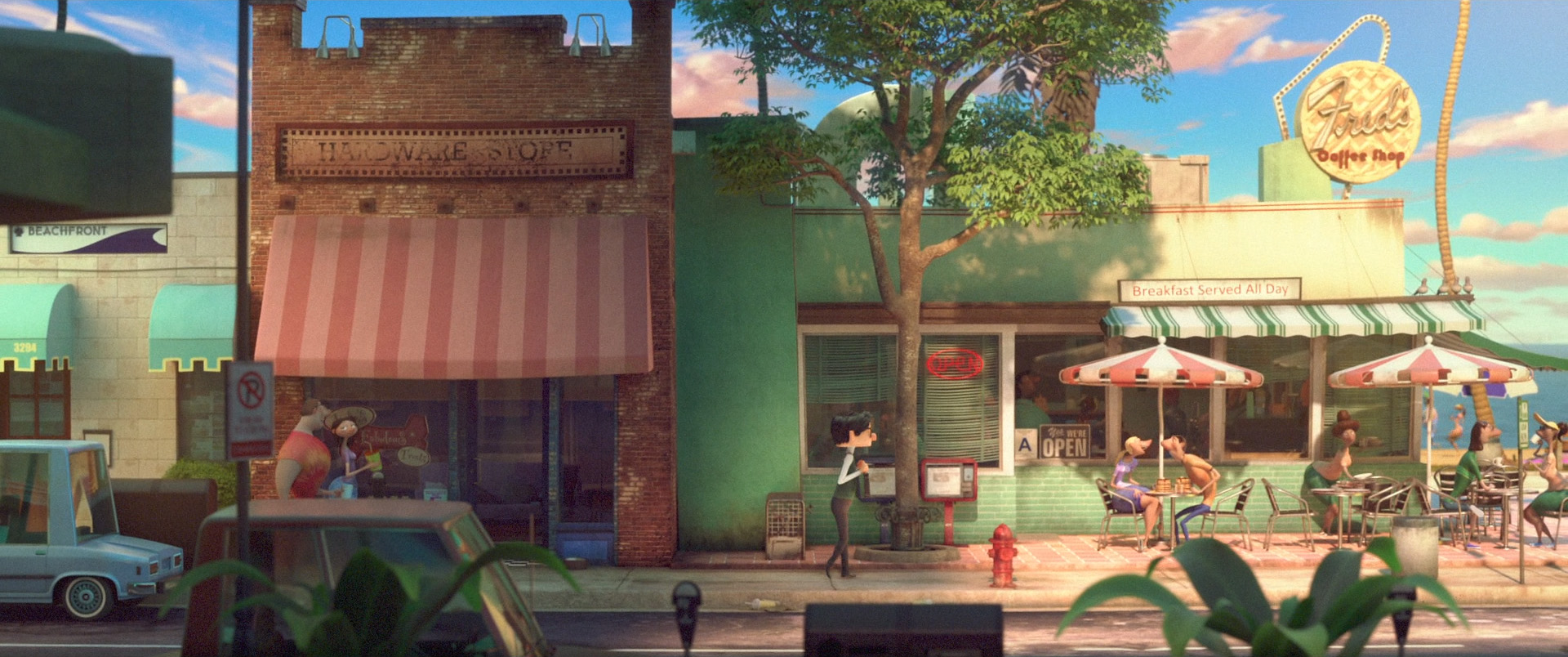
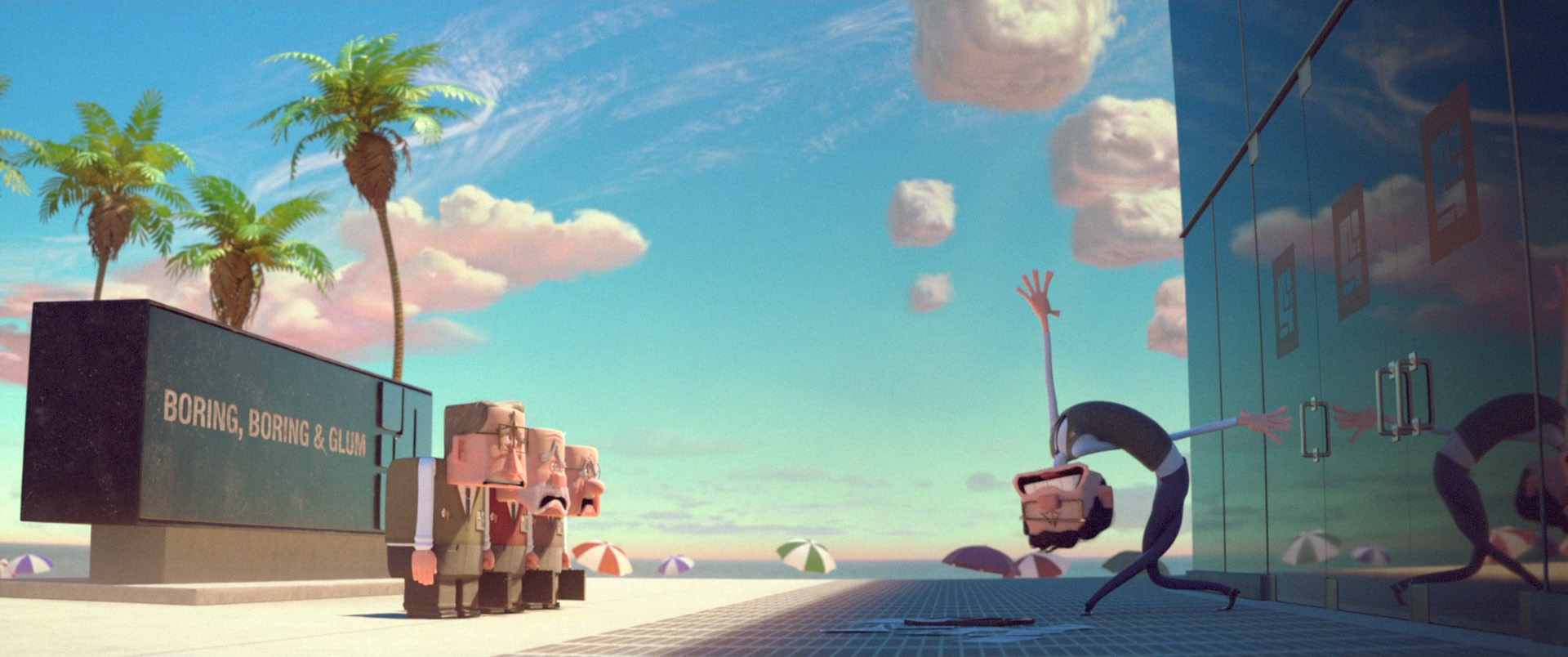
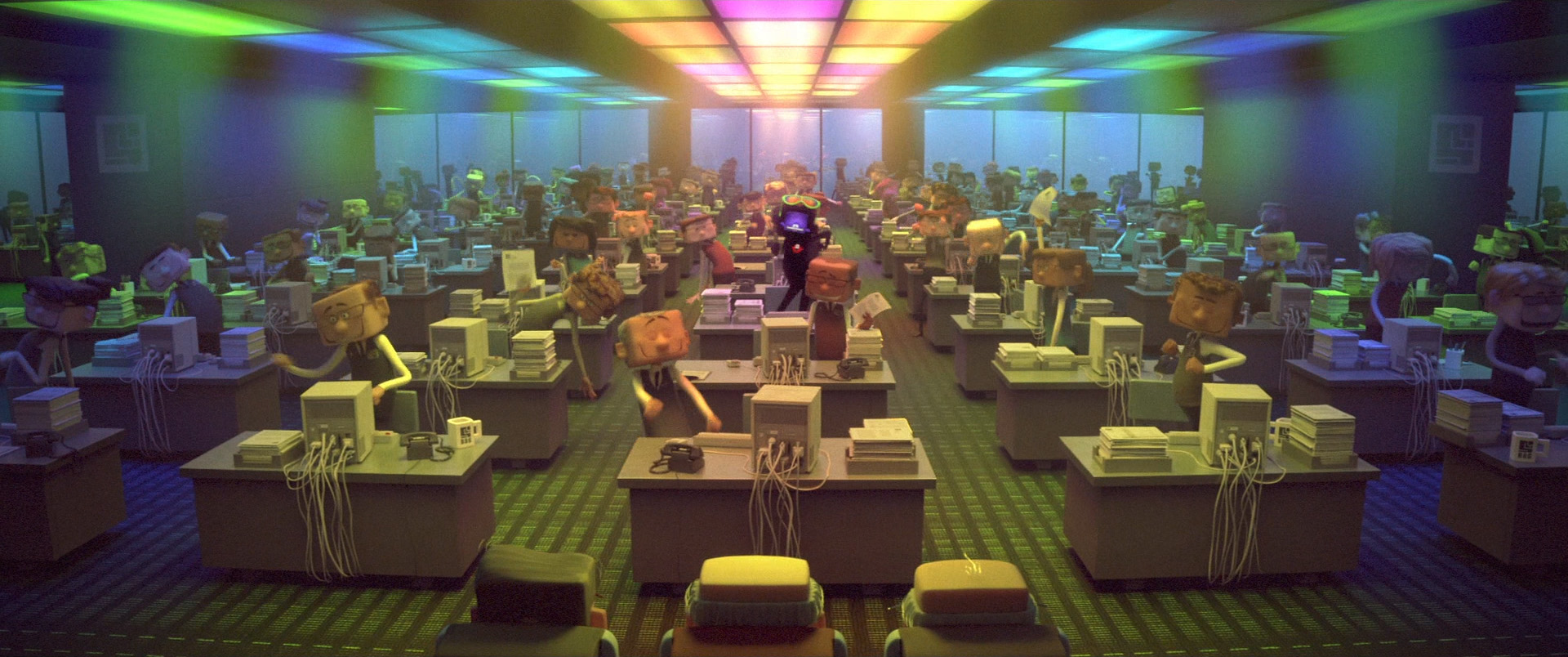
Here are a handful of frames from Inner Workings pulled from the Blu-ray and presented in random order, to showcase how Hyperion was used on this short. Get Inner Workings with a copy of Moana (digital or physical) and see it on the biggest screen you can!
All images in this post are courtesy of and the property of Walt Disney Animation Studios.
References
Brent Burley. 2015. Extending the Disney BRDF to a BSDF with Integrated Subsurface Scattering. In ACM SIGGRAPH 2015 Course Notes: Physically Based Shading in Theory and Practice.
John Kahrs, Patrick Osborne, Amol Sathe, Jeff Turley, Brian Whited, and Darrin Butters. 2012. The Art and Science Behind Walt Disney Animation Studios’ “Paperman”. In ACM SIGGRAPH 2012 Production Sessions.
Patrick Osborne and Josh Staub. 2014. Feast – A Look at Walt Disney Animation Studios’ Newest Short. In ACM SIGGRAPH 2014 Production Sessions.
Sean Palmer, Jonathan Garcia, Sara Drakeley, Patrick Kelly, and Ralf Habel. 2017. The Ocean and Water Pipeline of Disney’s Moana. In ACM SIGGRAPH 2017 Talks. Article 29.
Brian Whited, Eric Daniels, Michael Kaschalk, Patrick Osborne, and Kyle Odermatt. 2012. Computer-Assisted Animation of Line and Paint in Disney’s Paperman. In ACM SIGGRAPH 2012 Talks. Article 19.